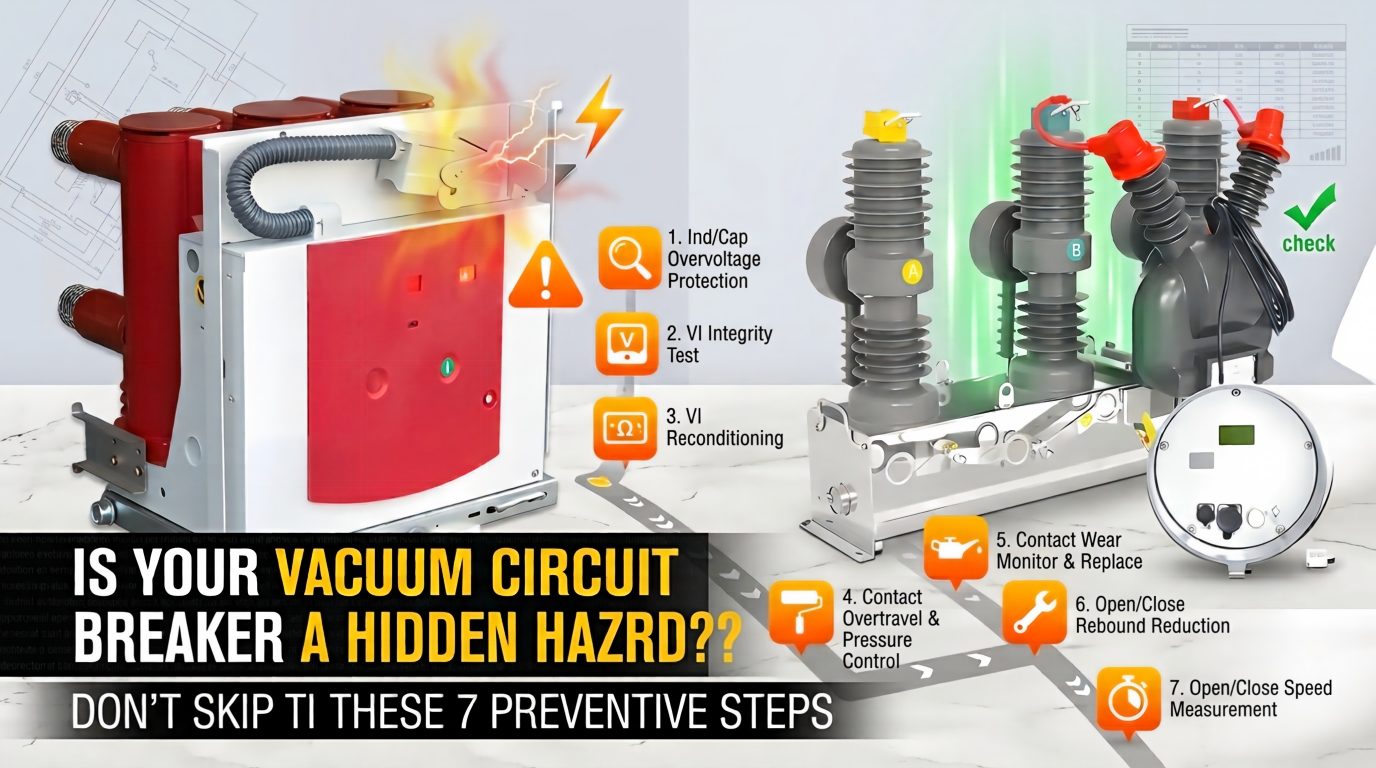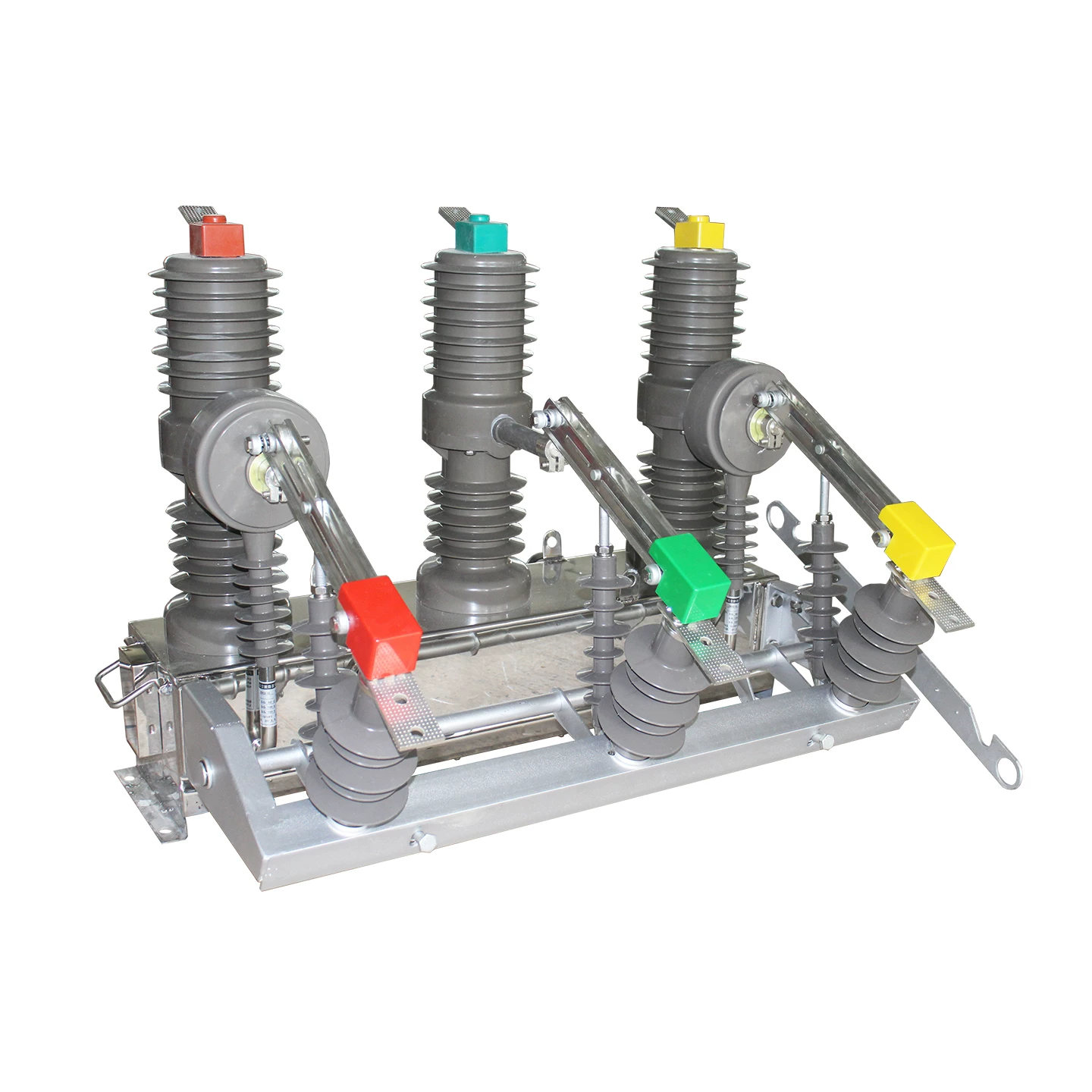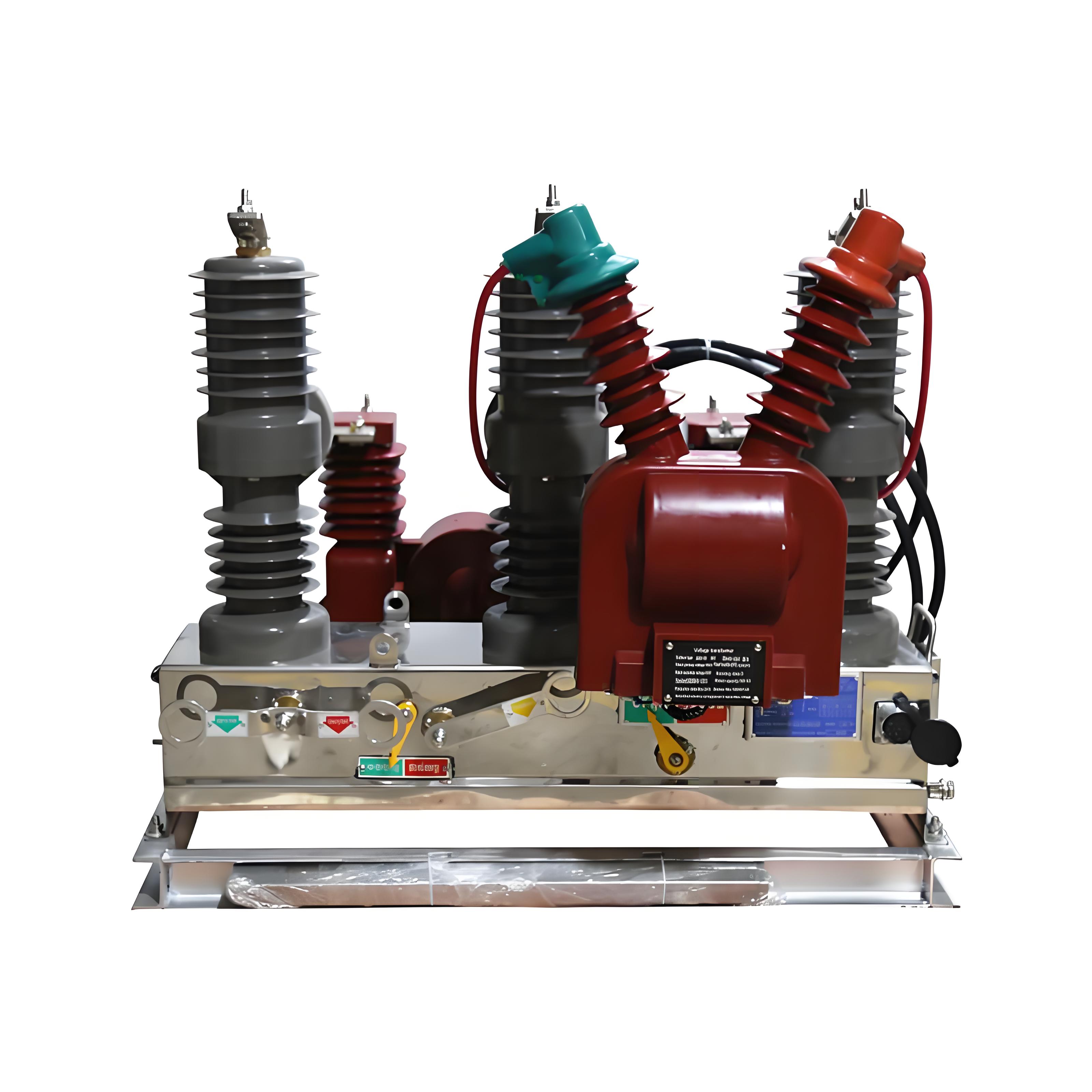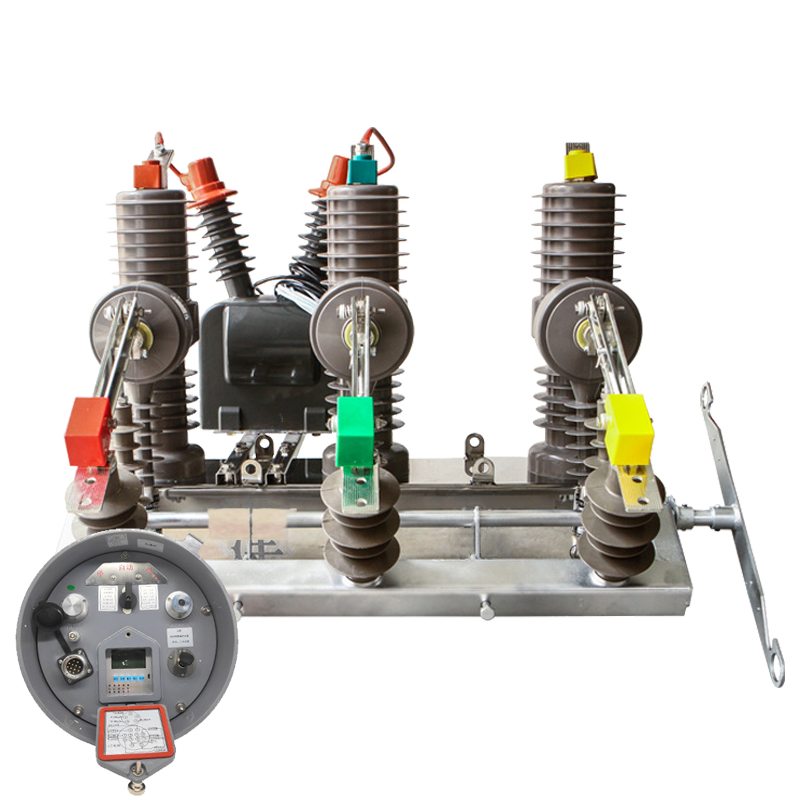
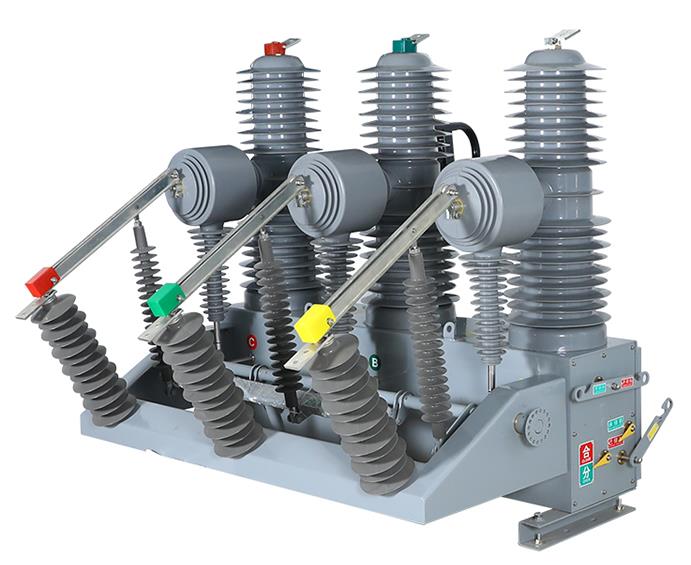
Understanding the Shunt Trip Breaker: A Critical Safety Component
In medium-voltage power distribution systems, reliable fault disconnection depends on more than just the breaker itself — it requires intelligent tripping mechanisms that respond to external signals in milliseconds. The shunt trip coil, when integrated with a Vacuum Circuit Breaker, creates a robust overcurrent protection device capable of remote and automatic disconnection under emergency conditions. This guide provides a comprehensive technical overview for engineers, facility managers, and electrical professionals working with these systems.
Whether you're specifying equipment for a new substation or upgrading aging switchgear, understanding how the shunt trip mechanism interacts with vacuum interrupter technology is essential for safety compliance and operational reliability.
What Is a Shunt Trip Breaker?
A shunt trip breaker is a protective switching device equipped with an auxiliary coil that enables remote tripping. Unlike standard thermal-magnetic breakers that only respond to overcurrent or short-circuit conditions internally, a shunt trip unit can be energized by an external control signal — from a fire alarm panel, building management system, or manual emergency switch — to open the breaker contacts immediately.
The circuit breaker tripping coil operates on a simple principle: when voltage is applied to the shunt trip solenoid, it mechanically releases the breaker's latching mechanism. This causes the contacts to separate and interrupt the current flow. The entire operation typically completes within 30–60 milliseconds.
Key Characteristics of Shunt Trip Mechanisms
Externally powered — requires a separate voltage source (AC or DC) to operate
Single-action device — must be manually or electrically reset after tripping
Compatible with various breaker types — air, oil, gas-insulated, and vacuum-based units
Voltage ratings typically range from 24V DC to 480V AC, depending on the application
How Vacuum Interrupters Work with Shunt Trip Coils
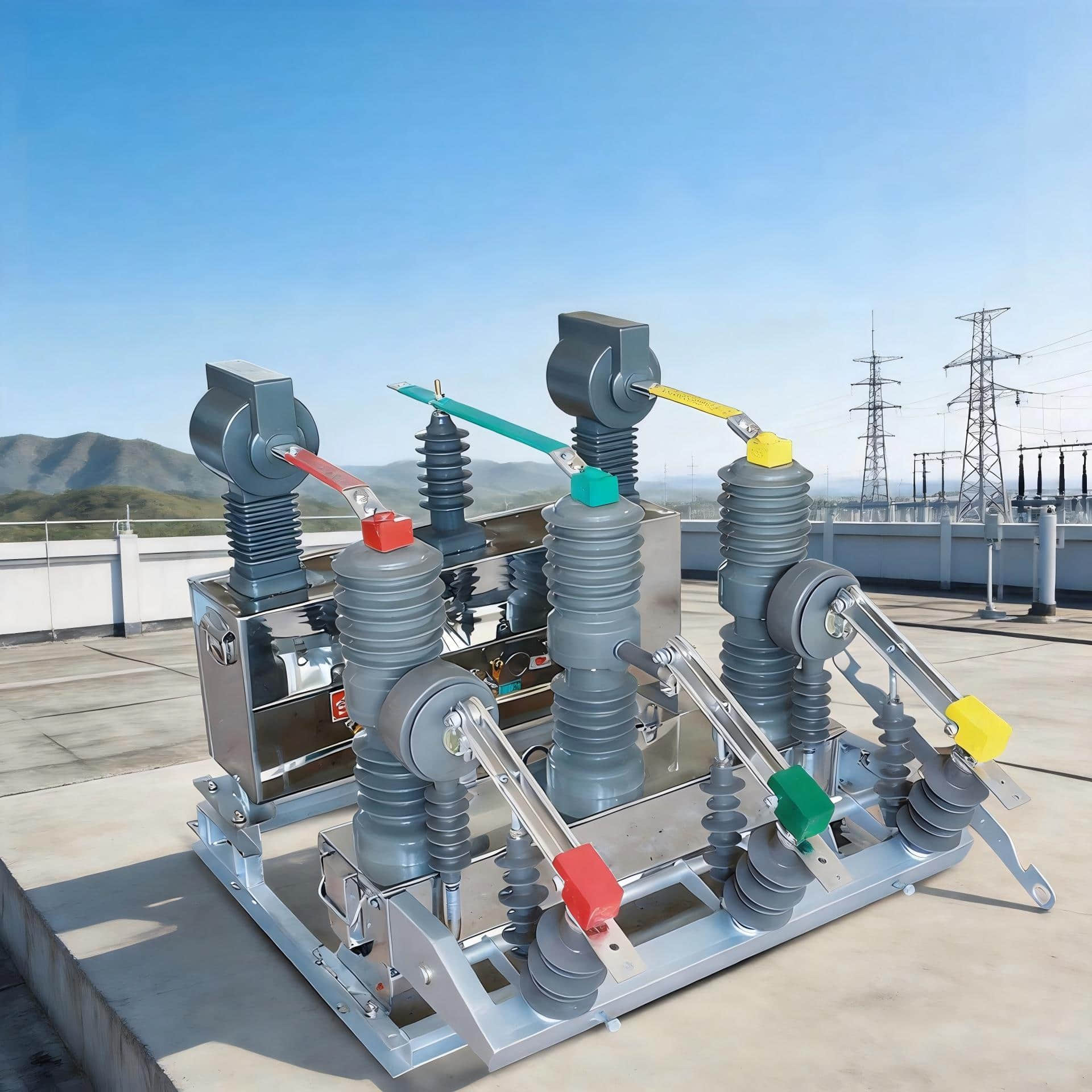
In medium-voltage applications (typically 1kV to 40.5kV), breakers using vacuum arc extinction technology offer superior performance when paired with shunt trip assemblies. The vacuum circuit breaker working principle and applications center on arc quenching within an evacuated chamber, where the absence of ionizable gas allows rapid current interruption without degradation of the interrupting medium.
When an external trip signal energizes the shunt coil, it releases the stored-energy operating mechanism. The vacuum interrupters then separate the contacts within a sealed chamber maintained at approximately 10⁻⁶ mbar. The arc generated during contact separation is quickly extinguished at the next current zero crossing, thanks to the high dielectric strength of the vacuum gap.
Integration Architecture
The shunt trip coil is mounted on the breaker's operating mechanism frame and connected to the trip bar or trip shaft. A typical integration includes:
Shunt trip coil (rated for the control voltage available on-site)
Auxiliary contacts for status indication (tripped/closed/open)
Anti-pumping relay to prevent repeated close-open cycling
Undervoltage release (optional) for fail-safe applications
Vacuum Technology vs. SF6: Choosing the Right Platform
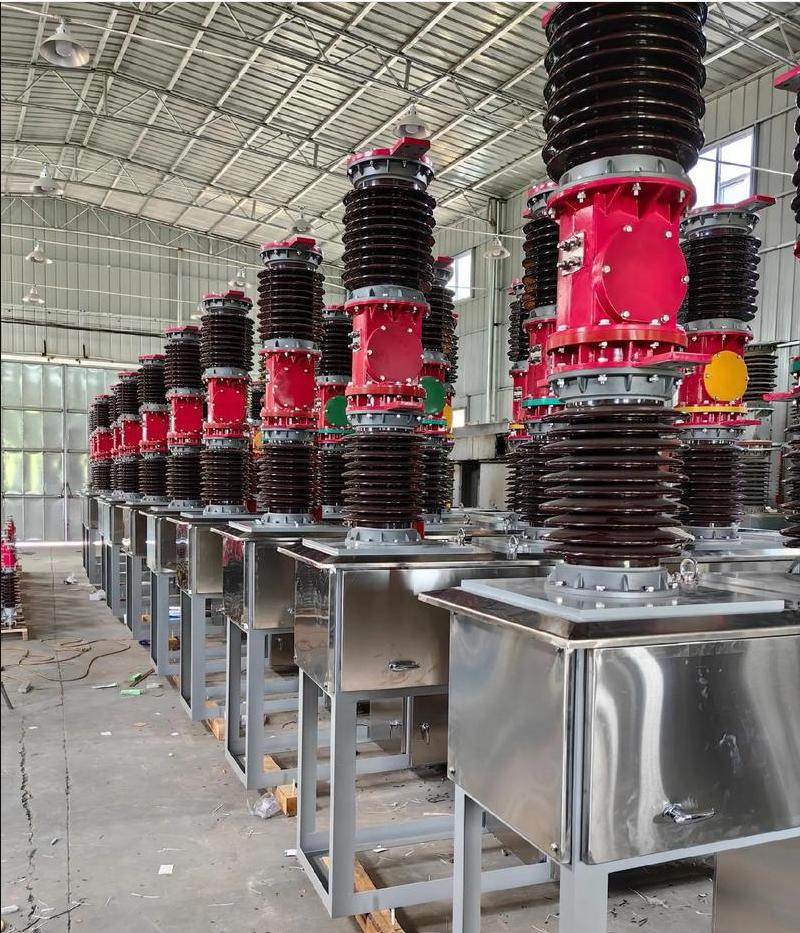
When selecting a breaker platform for shunt-trip-equipped switchgear, engineers frequently compare vacuum circuit breakers and SF6 circuit breakers. Both technologies serve the medium-voltage range, but they differ significantly in environmental impact, maintenance requirements, and long-term cost of ownership.
| Parameter | Vacuum-Based Breaker | SF6 Gas Breaker |
|---|---|---|
| Arc Quenching Medium | High vacuum (10⁻⁶ mbar) | Sulfur hexafluoride gas |
| Environmental Impact | None (no greenhouse gases) | High (SF6 GWP = 23,500) |
| Maintenance Interval | 10,000+ operations typical | 2,000–5,000 operations |
| Voltage Range | 1kV – 40.5kV | 12kV – 800kV |
| Dielectric Recovery | Extremely fast | Fast |
| Shunt Trip Compatibility | Excellent | Excellent |
| Gas Handling Required | No | Yes (specialized equipment) |
| Typical Lifespan | 25–30 years | 20–25 years |
For most medium-voltage applications below 40.5kV, vacuum-based units are increasingly preferred due to their zero-emission profile and lower lifecycle costs. The European Union's F-Gas Regulation revisions continue to restrict SF6 usage, accelerating this trend across global markets.
Advantages and Limitations in Medium-Voltage Systems
Understanding the advantages and disadvantages of vacuum circuit breakers in medium voltage helps engineers make informed procurement decisions. The technology excels in specific operational contexts but carries certain constraints that must be factored into system design.
Advantages
Minimal maintenance: Sealed vacuum bottles require no medium replacement or gas monitoring
Fast arc extinction: Current is interrupted at the first zero crossing after contact separation
Compact footprint: Smaller than equivalent gas-insulated alternatives
Environmentally benign: No toxic byproducts or greenhouse gas emissions
High mechanical endurance: 10,000–30,000 operations before servicing
Silent operation: Minimal noise during switching events
Limitations
Voltage ceiling: Commercially available primarily up to 40.5kV (72.5kV in some designs)
Current chopping: Can cause voltage transients in low-inductive circuits
Vacuum integrity: Loss of vacuum renders the interrupter non-functional (though rare)
Surge protection: May require additional surge arresters for sensitive loads
Maintenance and Testing: Keeping Shunt Trip Systems Reliable
The vacuum circuit breaker maintenance and testing procedures for shunt-trip-equipped units must address both the interrupting medium and the tripping mechanism. A comprehensive maintenance program ensures reliable electrical fault disconnection throughout the equipment's service life.
Recommended Testing Protocol
| Test | Frequency | Acceptance Criteria |
|---|---|---|
| Shunt trip functional test | Every 6 months | Breaker trips within 60ms of signal application |
| Coil resistance measurement | Annually | Within ±10% of nameplate value |
| Contact resistance (micro-ohm) | Annually | <100 μΩ for main contacts |
| Vacuum integrity (HV withstand) | Every 3–5 years | Withstands rated power frequency voltage |
| Timing test (open/close) | Annually | Per manufacturer specifications (±5ms) |
| Insulation resistance | Annually | >1000 MΩ at rated voltage |
| Trip coil supply voltage verification | Every 6 months | Within 85%–110% of rated coil voltage |
Common Failure Modes
Based on field data from utility maintenance programs, the most frequent issues with shunt trip systems include: coil burnout from sustained energization (typically caused by a stuck auxiliary contact), mechanical linkage wear that increases trip time, and control circuit wiring degradation. Preventive replacement of shunt coils is recommended at 15-year intervals or after 5,000 trip operations.
Pricing Considerations for Medium-Voltage Equipment
Engineers and procurement teams frequently search for a vacuum circuit breaker price list 2026 to benchmark project budgets. Pricing varies substantially based on voltage class, current rating, number of operations, and included accessories such as shunt trip coils, motorized mechanisms, and communication modules.
| Voltage Class | Rated Current | Approximate Unit Price (USD) | With Shunt Trip Assembly |
|---|---|---|---|
| 12kV | 630A | $2,500 – $4,500 | +$300 – $600 |
| 12kV | 1,250A | $4,000 – $7,000 | +$300 – $600 |
| 24kV | 1,250A | $6,000 – $10,000 | +$400 – $800 |
| 36kV | 2,000A | $9,000 – $16,000 | +$500 – $1,000 |
| 40.5kV | 2,500A | $12,000 – $22,000 | +$600 – $1,200 |
These figures represent FOB pricing for standard indoor-rated units from established manufacturers. Custom configurations, outdoor enclosures, integrated protection relays, and project-specific certifications (IEC, ANSI/IEEE, or regional standards) add to the total cost. Request quotations from multiple vendors for accurate project budgeting.
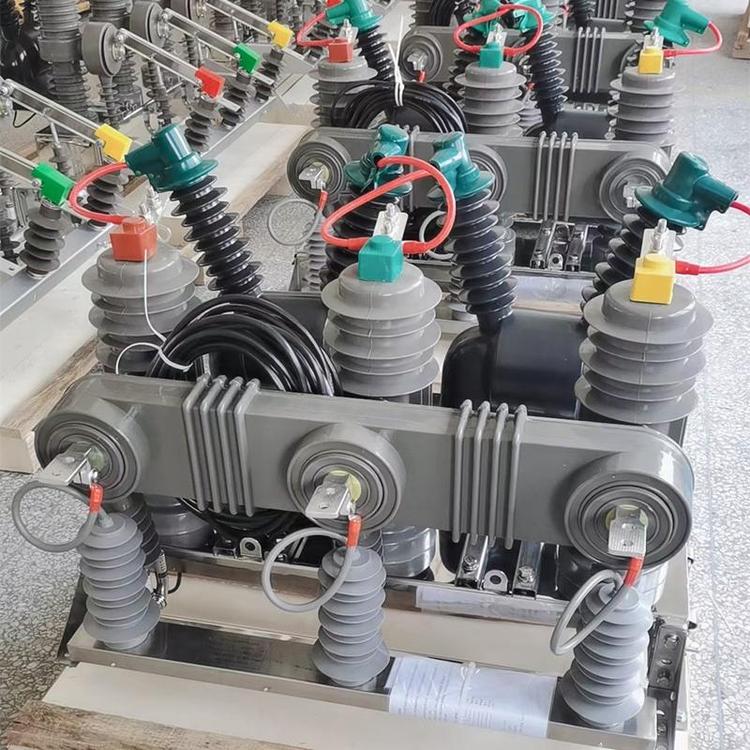
Real-World Application: Industrial Facility Case Study
A petrochemical plant in Southeast Asia upgraded its 20-year-old oil circuit breakers to modern Vacuum Circuit Breakers equipped with dual shunt trip coils in 2024. The facility's 12kV distribution system included 48 breaker positions serving motor control centers, transformer feeders, and bus-tie applications.
The shunt trip coils were connected to the plant's fire and gas detection system, enabling automatic de-energization of specific zones within 45 milliseconds of a confirmed gas leak alarm. Post-commissioning data over 18 months showed zero missed trips across 12 genuine alarm events and 3 planned emergency drills.
"The integration of shunt-trip-enabled breakers with our safety instrumented system reduced our emergency response time from approximately 4 minutes (manual operator action) to under 50 milliseconds for automated isolation. This directly impacts our safety integrity level calculations." — Senior Electrical Engineer, Project Documentation
Installation Best Practices for Shunt Trip Coils
Wiring and Control Circuit Design
Use dedicated control wiring (minimum 1.5mm² copper) between the trip source and coil
Install a series-connected auxiliary contact (52a) to de-energize the coil after tripping — prevents coil burnout
Provide voltage monitoring on the trip supply circuit to detect failures before an event
Route control cables separately from power cables to avoid electromagnetic interference
Consider redundant shunt trip coils (dual-coil configuration) for critical applications
Commissioning Verification
Before energizing the system, verify: correct coil voltage rating matches the supply; trip circuit continuity through all auxiliary contacts and wiring; mechanical clearance of the trip linkage throughout the full stroke; and proper operation at minimum rated voltage (85% of nominal). Document all commissioning test results for future reference and regulatory compliance.
Frequently Asked Questions
What voltage does a shunt trip coil require to operate?
Shunt trip coils are available in a wide range of voltage ratings to match the available control supply. Common options include 24V DC, 48V DC, 110V DC, 110V AC, 220V AC, and 380V AC. The coil must be selected to match the station's auxiliary power system. It requires approximately 85%–110% of its rated voltage to trip reliably, and the supply must be capable of delivering the inrush current (typically 5–10 times steady-state) for the brief operating duration.
How is a shunt trip breaker different from an undervoltage trip breaker?
A shunt trip breaker opens when voltage is applied to its coil — it needs an active signal to trip. An undervoltage (UV) release, conversely, holds the breaker closed while voltage is maintained and trips the breaker when voltage is removed or drops below a threshold. Shunt trips are used for remote/emergency tripping commands; UV releases provide fail-safe protection where loss of control power should result in automatic disconnection.
Can shunt trip assemblies be retrofitted to existing breakers?
In many cases, yes. Most modern medium-voltage breaker platforms are designed with mounting provisions for optional accessories, including shunt trip coils. However, retrofitting requires verifying mechanical compatibility, available space within the mechanism housing, and adequate trip force for the specific breaker model. Always consult the original equipment manufacturer's documentation before attempting a retrofit, as improper installation can compromise the breaker's safety rating.
What causes a shunt trip coil to fail?
The most common failure mode is thermal damage from prolonged energization. Shunt trip coils are designed for momentary duty — typically rated for 1–3 seconds maximum. If the auxiliary contact that de-energizes the coil after tripping malfunctions, the coil remains powered and overheats within minutes. Other causes include moisture ingress, mechanical binding of the plunger, insulation degradation from aging, and incorrect voltage application (overvoltage or wrong voltage type).
How often should shunt trip mechanisms be tested in critical facilities?
For critical infrastructure such as hospitals, data centers, and petrochemical plants, industry best practices recommend functional testing every 6 months. NFPA 70B and IEC 62271-100 guide maintenance intervals. Each test should verify that the breaker opens within the manufacturer's specified time limit when the trip signal is applied at the minimum rated voltage. Facilities with safety instrumented systems (SIS) may require more frequent testing based on their target safety integrity level (SIL).
Conclusion and Next Steps
The combination of vacuum interruption technology with shunt trip coils represents a mature, reliable solution for medium-voltage protection and remote disconnection requirements. These systems deliver fast, clean current interruption with minimal maintenance burden and zero environmental impact from the switching medium. For engineers specifying new switchgear or upgrading legacy systems, this configuration provides the operational flexibility and safety performance demanded by modern industrial and utility environments.
Ready to specify your next project? Evaluate your facility's control voltage standards, required trip response time, and integration requirements with fire/gas or building management systems. Request detailed technical data sheets and pricing from qualified manufacturers to ensure the selected equipment meets your application's voltage, current, and short-circuit ratings while complying with applicable IEC or ANSI/IEEE standards.