I. Introduction: Striking the Core Difference and Defining the Mandate
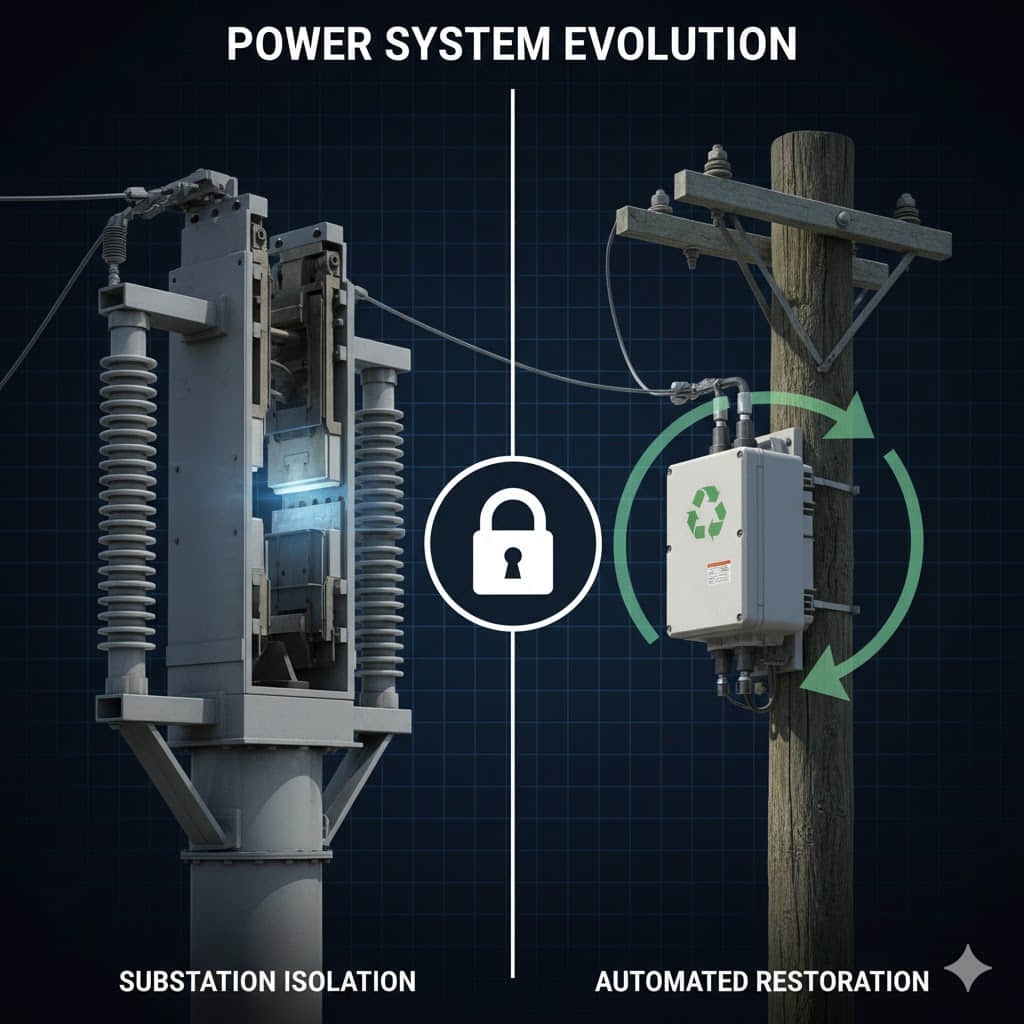
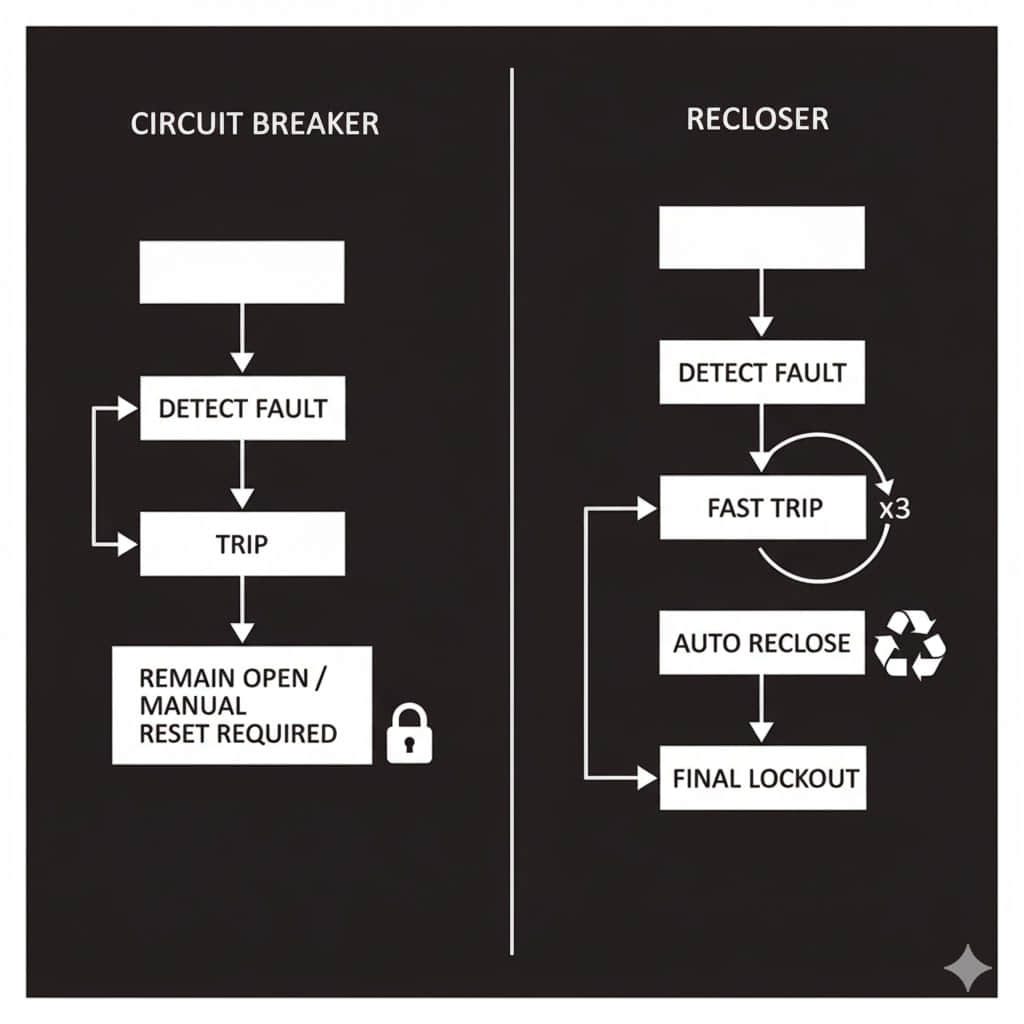
The foundational disparity between a Recloser and a Circuit Breaker rests entirely on their operational sequencing philosophy. A recloser is essentially a circuit breaker unit with integrated automatic reclosing logic, specifically designed to attempt service restoration multiple times after detecting a temporary fault. Conversely, a standard circuit breaker executes an immediate and final isolation upon interruption, fundamentally requiring human intervention to initiate a subsequent reclose cycle.
In the complex, interwoven infrastructure of modern electrical power systems, circuit breakers and reclosers function as the primary guardians of both safety and operational continuity. Although both devices share the critical capability to swiftly detect and interrupt damaging fault currents, their functional priorities and design philosophies are fundamentally divergent. This critical nuance is essential knowledge for any electrical engineer tasked with designing and maintaining robust, high-reliability protection schemes.
The benchmark for system health is universally quantified by key metrics such as SAIFI (System Average Interruption Frequency Index) and SAIDI (System Average Interruption Duration Index). Extensive utility data indicates that transient events—temporary faults—account for well over eighty percent of all interruptions on exposed overhead distribution networks. This overwhelming engineering reality directly catalyzed the invention and widespread adoption of the recloser, designed to address this pervasive challenge.
This article will provide an exceptionally deep technical analysis, scrutinizing these two essential pieces of equipment across multiple dimensions. We will examine their core functionality, the increasing sophistication of their control systems, complex utility coordination strategies, and the critical trade-offs encountered in real-world engineering practice.
II. The Essential Difference: Function, Operational Logic, and Historical Context
Circuit breakers and reclosers embody two distinct, yet complementary, engineering philosophies for responding to system faults. The circuit breaker is inherently designed for maximum system security and permanent isolation, whereas the recloser prioritizes rapid system efficiency and quick service restoration.
2.1 The Legacy and Mandate of the Circuit Breaker
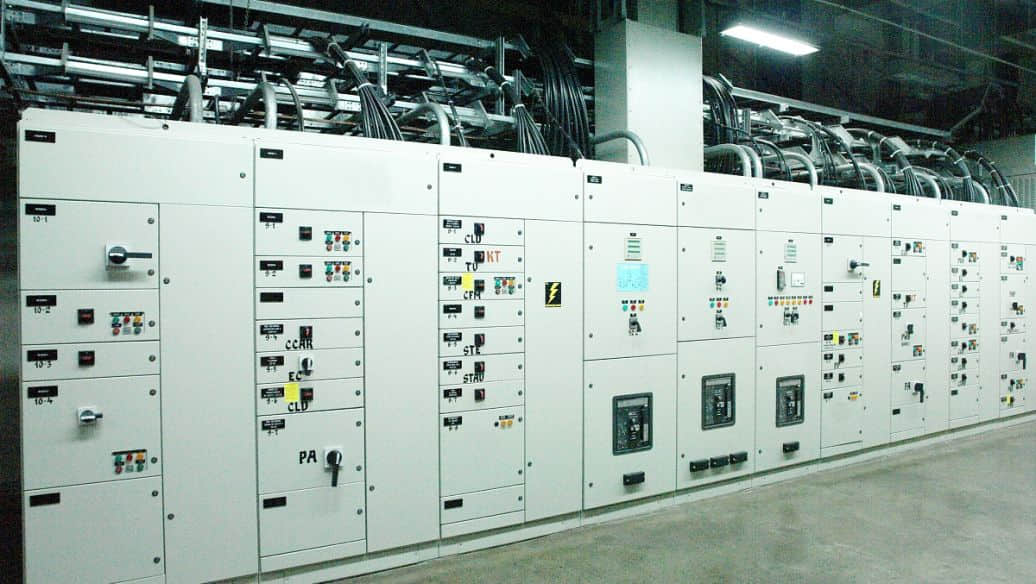
The historical and persistent mission of a circuit breaker is to stand as the system’s definitive "final line of defense." It functions as a robust, universal protective apparatus, deployed across the entire voltage spectrum from low-voltage terminal load protection to high-voltage transmission lines and substation main feeders.
Targeted Fault Types and Severity: Circuit breakers are predominantly engineered to effectively manage and clear Permanent Faults, which include catastrophic failures such as severe three-phase short circuits, prolonged ground faults, or major insulation breakdown within equipment. These critical, sustained failures mandate immediate and irreversible isolation from the power source to prevent cascading failure.
Operational Logic: The One-Shot Rule: Once a breaker senses an excessive fault current and activates its protection scheme, its intrinsic logic is uncompromising: "one trip, permanent isolation." After the opening sequence, the breaker remains mechanically fixed in a "Locked Out" status, providing an unambiguous signal that the fault is highly severe and requires human intervention. This fundamental design prioritizes the absolute safety of field personnel and the preservation of immensely valuable equipment assets.
Adherence to Standards: The rigorous design and comprehensive testing protocols for circuit breakers strictly adhere to international and national standards, such as the crucial IEEE C37.04/06/09 specifications. These standards place the utmost emphasis on the device's certified reliability and its capacity for successfully interrupting colossal fault current magnitudes under worst-case conditions.
2.2 The Recloser’s Genesis and System Restoration Advantage
The recloser is, by definition, a specialized type of interrupter featuring an integrated digital controller, conceived as a direct technological response to utility system reliability demands. Its core existence is entirely justified by the economic pressure to minimize customer outage time.
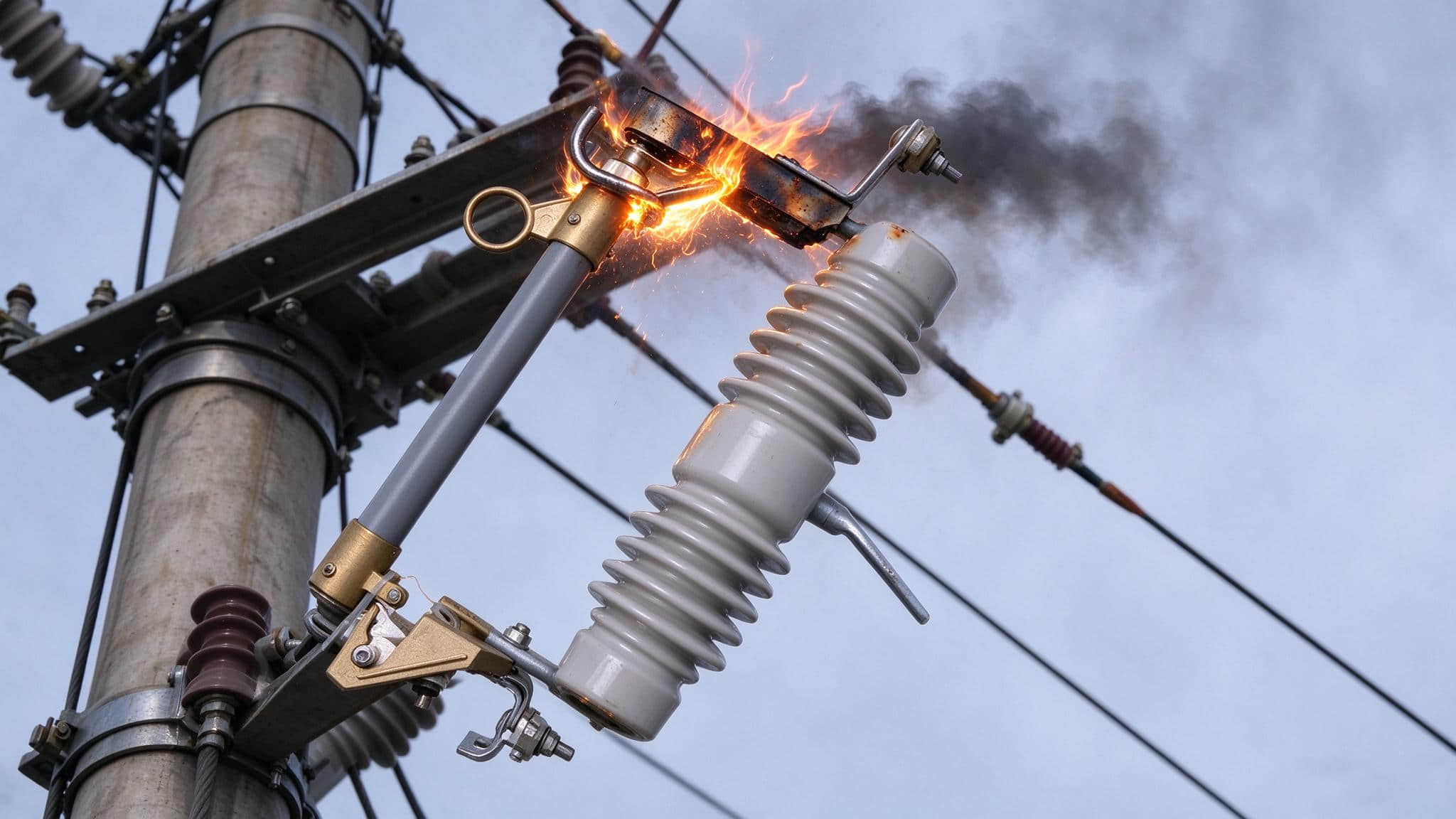
Targeted Fault Types: The recloser is expertly optimized to manage the pervasive issue of Temporary (or Transient) Faults, which represent the vast majority of interruptions across typical overhead distribution grids. These transient events are often self-clearing once the power is temporarily removed.
Programmable Sequence: The Self-Healing Attempt: The recloser operates via a unique, fully programmable "trip-delay-reclose" sequence, often configured in the standard utility setup as a "four-operation, three-reclose" cycle. The device only proceeds to a final, mechanical lockout state after exhausting all preset reclosing attempts. This lockout condition confirms the fault is permanent and finally necessitates the dispatch of maintenance crews.
💡 Engineering Insight (Tip): Reclosers are the most direct and effective tools for utility companies to tangibly improve reliability indices like SAIFI (frequency) and SAIDI (duration). This impact is disproportionately large because well over 80% of faults encountered in overhead systems are statistically transient in nature and thus are automatically cleared by the recloser.
💡 Video Supplement: Conceptual Overview
Suppose you wish to gain a quick and highly intuitive understanding of the fundamental differences in operational flow and functional positioning between Circuit Breakers and Reclosers. In that case, you may watch the brief video below for a conceptual review:
III. Control Systems and Data Capability: The Leap from Mechanical to Intelligent
The level of controller integration defines the key technical divide between these two devices. This sophistication is recognized as a cornerstone of modern Distribution Automation (DA) and Smart Grid functionality.
3.1 The Recloser: Microprocessor Control and Data Sovereignty
The modern recloser has rightfully earned its designation as an "intelligent" switch due to its integrated, highly sophisticated control platform and its multi-faceted operational capabilities.
Evolution of Control Philosophy: Modern utility reclosers have almost universally adopted microprocessor-based electronic control systems, which replaced the less flexible, legacy hydraulic controls of past decades. This shift has unlocked unprecedented programming flexibility and enhanced protection capabilities for grid operators.
The RTU Functionality: The electronic recloser is, by design, a crucial RTU (Remote Terminal Unit) integrated into the distribution network architecture. It performs essential SCADA functions, facilitating two-way communication via standard protocols such as DNP3 or Modbus to the central control center. Furthermore, it enables comprehensive Telemetry, continuously monitoring critical line parameters like voltage, current magnitude, power factor, and harmonic distortion in real-time.
Forensics and Mechanism: Every operation triggers detailed Event Logging, which precisely timestamps and records the fault magnitude, the operational sequence, and the final outcome, making it an indispensable tool for post-mortem fault analysis. To endure the thousands of high-frequency, repeated operations demanded over its lifespan, modern reclosers overwhelmingly employ durable Permanent Magnet Mechanisms.
⚠️ Technical Note: A recloser is not just a primary protective device; it also functions as a vital data acquisition node in the overall Distribution Automation (DA) system. Crucially, it provides continuous, granular telemetry data that is simply not available from a standard circuit breaker’s core unit alone, which often relies on much slower, substation-level logging.
3.2 The Circuit Breaker: Decoupled Logic and Relay Dependencies
The core component of a standard medium-to-high-voltage circuit breaker, which might utilize vacuum or SF6 technology, is fundamentally designed for singular, high-energy mechanical actions.
Strategy of Separation: Circuit breakers inherently adhere to a design strategy of "body-control separation." The breaker's body is exclusively concerned with mechanical arc extinguishing and current interruption, demanding minimal electronics. All complex protective logic, including auto-reclosing philosophy, communications, and adaptive control, is completely delegated to external Protective Relays housed safely in the substation control house.
Mechanism Physics: Due to the requirement for monumental mechanical force to interrupt massive symmetrical and asymmetrical short-circuit currents, the largest substation breakers continue to depend primarily on robust Spring Mechanisms (Spring-Charged Mechanisms). This mechanism design is specifically optimized for high-energy interruption, prioritizing force over the high-frequency cycling required of reclosers.
IV. The Art of Protection Coordination: Recloser and Sectionalizer Synergy
Achieving perfect Selective Protection is the defining mission of distribution system design. The goal is to ensure that only the smallest possible, faulted section is isolated, preserving power delivery to all healthy downstream and parallel circuits.
4.1 The Hierarchical Protection Architecture
Reclosers, along with sectionalizers and even conventional fuses, collaboratively establish the complex, multi-tiered protection hierarchy common across North American distribution utilities. This hierarchy is carefully tuned based on the Time-Current Characteristic (TCC) curves of each device.
4.2 The Role of the Sectionalizer: Passive Isolation
The sectionalizer is best understood as the recloser's dedicated "downstream defender" and essential mechanical partner in fault localization. It performs a passive, rather than an active, protective function.
Operational Limitation: Crucially, a sectionalizer is a simple load break switch that is incapable of safely interrupting short-circuit current under actual fault conditions. Its design only allows it to operate when the current is zero.
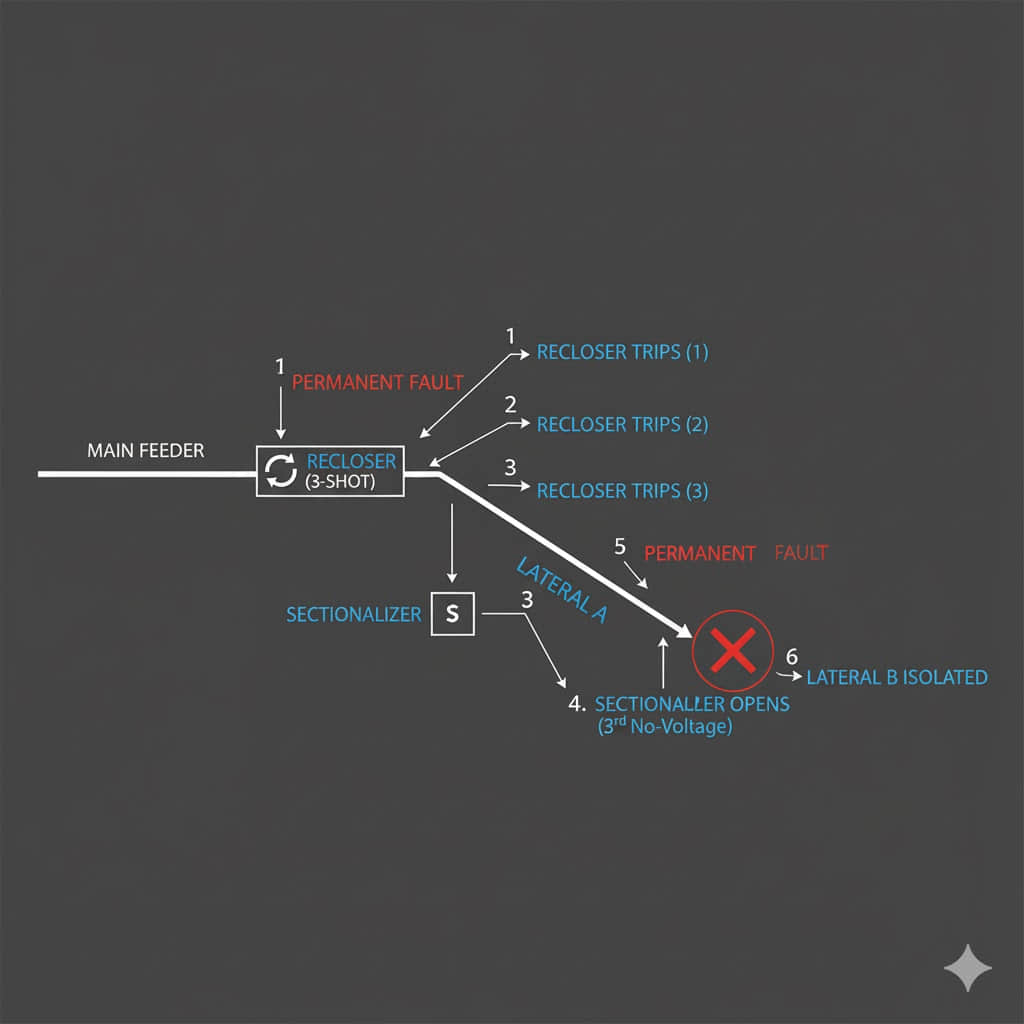
The Coordination Protocol: The device works by silently counting the number of open/close operations executed by the upstream recloser during a fault sequence. The sectionalizer is electrically designed to open its contacts only after the recloser has cycled its full preset count, and only when the circuit is in a momentarily No-Voltage state. This timed, zero-current action successfully isolates the permanent fault on a small branch, immediately allowing the upstream recloser to close and restore power to the main feeder line.
💡 Engineering Insight (Tip): A recloser actively "clears" the fault path and automatically "restores" power to the line section after a transient event. In stark contrast, a sectionalizer is a passive device that merely "isolates" a permanent fault by operating under a no-voltage condition. Understanding this functional division is fundamental for proper distribution protection coordination.
4.3 Time-Current Curve (TCC) Calibration
Electrical engineers meticulously calibrate the protection system by adjusting the recloser’s Time-Current Characteristic (TCC) curves to ensure perfect selectivity. TCC curves graphically plot the device's operational time against the magnitude of the fault current.
The Dual-Curve Strategy: A recloser is typically configured with two distinct TCC profiles. The Fast Curve is used for the initial one or two operations and features a minimal time delay, designed for the fastest possible clearance of temporary faults. Conversely, the Delayed Curve is used for subsequent operations and incorporates a carefully calculated time margin. This margin is absolutely essential for maintaining the required coordination buffer with downstream fuses or sectionalizers, ensuring the device closest to the fault acts first.
V. Structural, Rating, and Application Environment Comparison
The operational ratings and physical architecture of the devices are direct reflections of their distinct roles and the environments they are designed to protect.
5.1 Rated Parameters and Capacity: The Physical Divide
The required capacity for interrupting a fault is the most immediate physical differentiator between the two devices.
Short-Circuit Interrupting Rating:
Circuit Breakers: Capacities are engineered for massive energy levels, often starting at 20kA and extending well into the 63kA range or higher. They are designed to manage the high fault energy characteristic of substation buses and primary transmission paths.
Reclosers: Capacities are intentionally lower, typically ranging from 12.5kA to 16kA. This capacity is entirely appropriate because fault currents in distribution networks are naturally attenuated by the significant impedance of the long feeder lines.
Environmental Application: Circuit breakers are predominantly installed within the controlled, secure environment of a substation, often indoors or in specialized switchyards. In contrast, reclosers are explicitly designed to withstand harsh outdoor conditions, mounted high on utility poles along exposed distribution feeders.
5.2 Interruption Medium and Mechanism
Both devices rely on modern interruption technologies, but their mechanical drivers vary based on their intended duty cycle.
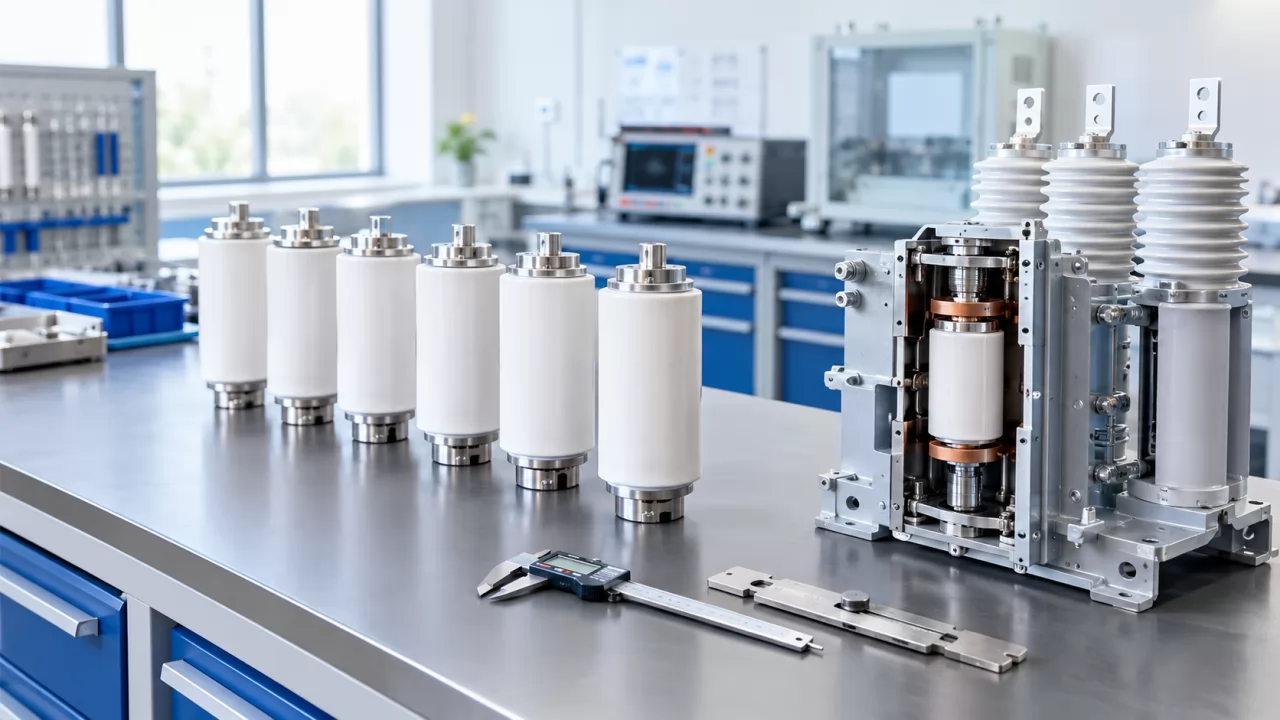
Interruption Medium: Both modern circuit breakers and reclosers largely utilize Vacuum Interrupters (VI) due to their superior dielectric strength, low maintenance requirements, and excellent environmental profile compared to older oil or SF6 technologies.
Mechanism Durability: The recloser's relentless requirement for high-frequency, low-maintenance operation across thousands of cycles necessitates specialized construction. Thus, the reliable, low-wear Permanent Magnet Mechanism has become the gold standard for reclosers. This contrasts sharply with the high-force requirements of substation breakers, which favor the traditional Spring Mechanism.
VI. Key Comparison: Circuit Breaker vs. Recloser Summary Table
VII. Trade-offs in Engineering Practice: Cost, Risk, and Reliability Indexing
The engineering decision to utilize reclosing—the benefit of rapidly improving reliability—is massive and economically quantifiable. Nevertheless, a comprehensive electrical safety analysis requires acknowledging the inherent mechanical and electrical risks associated with repetitive operation.
7.1 The Economic Impact and Nuisance Trips
Reclosers dramatically reduce SAIDI and SAIFI indices, which is a key economic driver for regulated utilities. However, this benefit comes with the risk of power quality issues for specific customers.
The Cost of Reliability: The high capital cost and ongoing maintenance of an extensive recloser fleet are easily justified by the financial penalties and regulatory scrutiny associated with poor reliability indices. Utility planning groups utilize complex models to justify the placement of every new recloser based on its predicted improvement in system reliability metrics.
The Nuisance Trip Problem: When a transient fault is successfully cleared, the customer experiences a momentary, sub-second interruption known as a "nuisance trip" or "momentary blink." While the overall outage duration is reduced, these constant momentary power quality events can be highly disruptive for commercial and industrial customers utilizing sensitive electronic manufacturing equipment or IT systems.
7.2 Safety and Electrical Stress Risks
The repeated application of voltage after a fault subjects the system to both mechanical and dielectric stress.
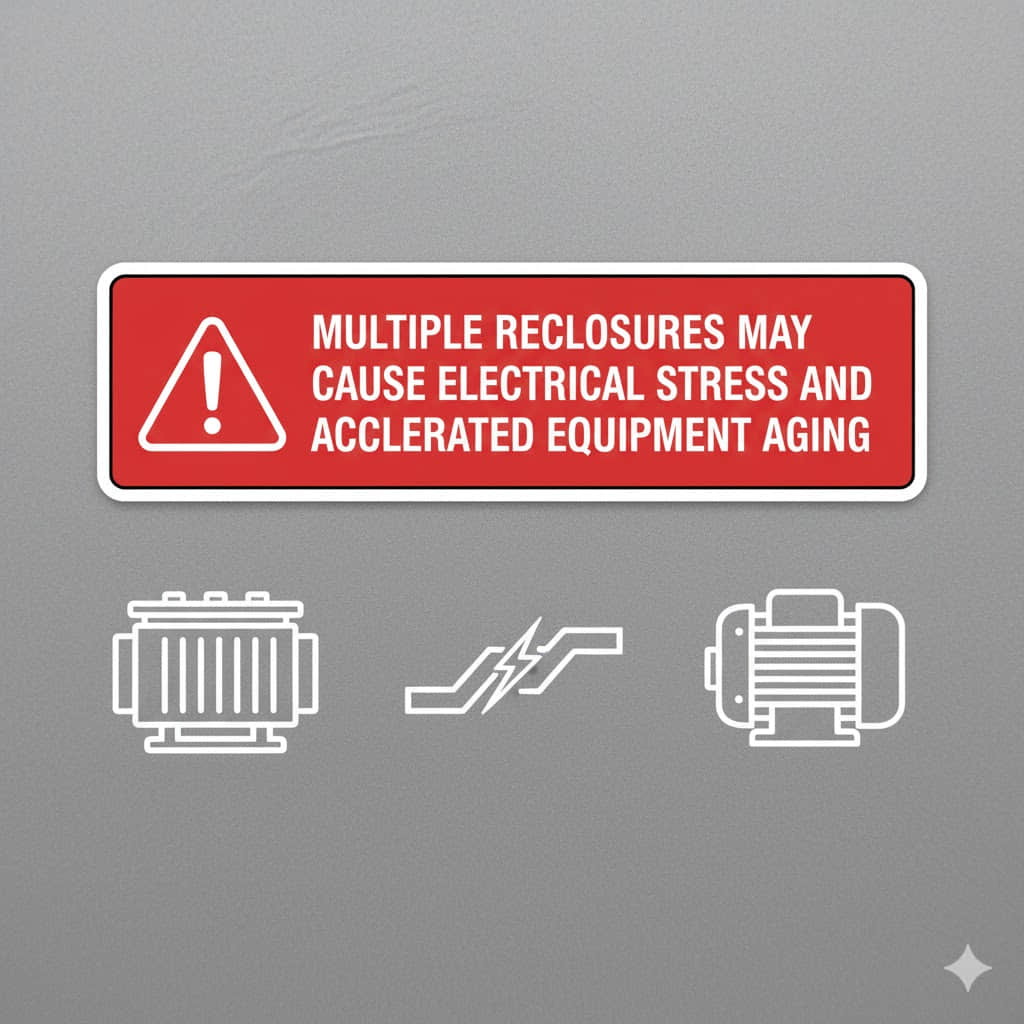
Equipment Degradation: Multiple reclosing operations introduce massive, repetitive current and voltage transients onto the entire downstream system. This action accelerates the aging and mechanical fatigue of downstream equipment, particularly placing high stress on transformer windings, terminal connections, and cable insulation integrity.
Arc-Flash Safety and Reclosing: From a safety perspective, a major concern arises if a maintenance crew believes a line is de-energized, only for the recloser to attempt an automatic reclosure during their approach. Modern utility procedures now mandate specific lockout and tagout (LOTO) protocols for reclosers to prevent unexpected re-energization, mitigating catastrophic Arc-Flash hazards.
7.3 Functional Adjustments in Special Applications
Advanced engineering designs necessitate overriding the default reclosing function based on the characteristics of the local load.
Cable-Heavy Networks (Underground): In distribution networks that are predominantly serviced by underground cables, a fault is virtually always permanent and caused by irreparable cable damage. In these critical scenarios, engineers must set the recloser to a conservative "One-Shot Trip" mode. This ensures immediate permanent isolation, preventing the recloser from subjecting the already damaged cable section to repeated, destructive high-current surges.
Sensitive and Critical Load Scenarios: For circuits feeding major industrial facilities, data centers, or hospitals—where momentary power dips are intolerable—the engineer will often completely lock out the reclosing function. By making the recloser function as a standard, non-reclosing circuit breaker, they prioritize absolute power quality and continuity over the minor benefit of automated fault clearance.
⚠️ Technical Note: The balance between the massive societal gain from reliability improvements and the technical reality of accelerated equipment degradation is one of the most critical advanced engineering decisions. For instance, in any network where the fault path is predominantly cable, defaulting to completely disabling reclosing is a common and highly conservative engineering practice.
VIII. Conclusion: Synergy and the Future of the Smart Grid
The circuit breaker and the recloser must never be viewed as technologies in competition. Instead, they are functionally complementary and absolutely indispensable, specialized tools within the holistic power system protection infrastructure. The circuit breaker, with its unmatched current interruption capability and uncompromising isolation philosophy, remains the foundational protective component for substations and transmission corridors. Concurrently, the recloser, with its intelligent, automated restoration capability and sophisticated protection coordination, is the essential device for the modern distribution grid to achieve "smart self-healing" and fulfill increasingly stringent regulatory reliability targets.
As the deployment of Distribution Automation (DA) continues to accelerate across utilities, the role of the recloser will only become more centralized and critical. Its deep integration of remote control, telemetry, and supervision (SCADA) functions confirms its status as the key smart switch, ensuring that both its data value and its role in complex system coordination will continue to expand dramatically.
Frequently Asked Questions (FAQ)
Q1: Can a circuit breaker in a substation perform an auto-reclosing function? How does it fundamentally differ from a recloser?
A: Yes, a substation circuit breaker is fully capable of executing an Auto-Reclosing sequence. This functionality is entirely conferred to it by the external Protective Relay, which dictates the complex timing and sequence.
The essential difference: A recloser is a physically integrated unit where the protection logic is bundled with the apparatus. In sharp contrast, the substation breaker requires a completely separated and independent relay panel to supply the reclosing logic and intelligence.
Q2: Why do utility engineers recommend disabling the reclosing function in cable (underground) networks?
A: In high-density cable networks, a fault is virtually guaranteed to be a permanent physical failure that cannot be cleared by momentarily de-energizing the circuit. Multiple reclosure attempts will only cause the fault current to surge repeatedly.
This destructive, repeated surging subjects the cable insulation, splices, and terminal equipment to immense thermal and mechanical damage. Therefore, the safest and most reliable engineering practice is to configure the device for a "One-Shot Trip" mode.
Q3: How do protection engineers calibrate a recloser’s "Fast" versus "Delayed" operational curves?
A: A recloser’s controller is deliberately configured with two distinct Time-Current Characteristic (TCC) profiles. The Fast Curve is reserved for the first operation and is designed for instantaneous fault clearance to handle transient events.
The Delayed Curve is utilized for subsequent operations and includes a carefully engineered time lag. This time lag is absolutely critical for maintaining the necessary coordination buffer, ensuring that a downstream sectionalizer or fuse operates first to isolate the permanent fault before the recloser trips the main feeder.
Q4: What is the "Recloser-Sectionalizer Scheme," and why is this coordination scheme so critically important?
A: This is a paramount example of selective protection used widely in overhead distribution. The Recloser senses the fault and executes its timed sequence of trip attempts, while the Sectionalizer is positioned on the branch.
Its Importance: This clever coordination allows the recloser to keep attempting to restore service to the main line, while the sectionalizer silently and automatically isolates the permanent fault to the smallest possible feeder lateral. This action maximizes power continuity for the vast majority of non-faulted customers.
Q5: What are the specialized requirements for mechanical and electrical endurance placed upon reclosers?
A: Reclosers are required to operate with extreme frequency (high duty cycle), meaning their mechanical endurance requirements far exceed those of typical substation circuit breakers. Industry specifications often demand that reclosers withstand many thousands of operations.
This high-cycle requirement is why they favor the advanced, low-maintenance Permanent Magnet Mechanism over the traditional, high-force spring-charged mechanisms found in substation equipment.