
Previous
Next
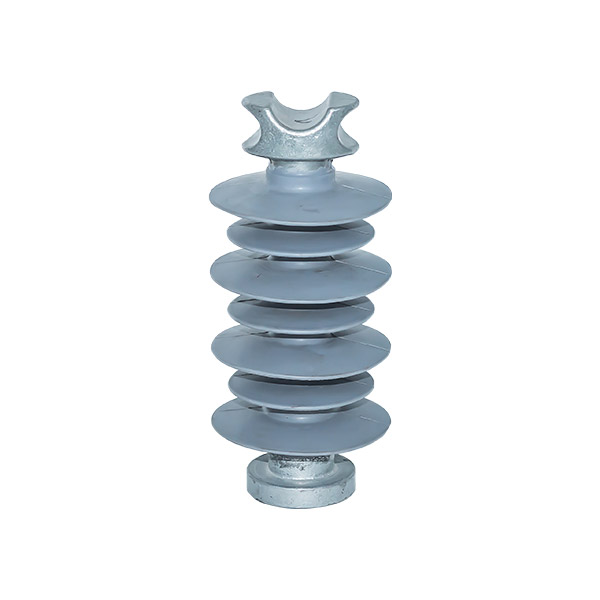
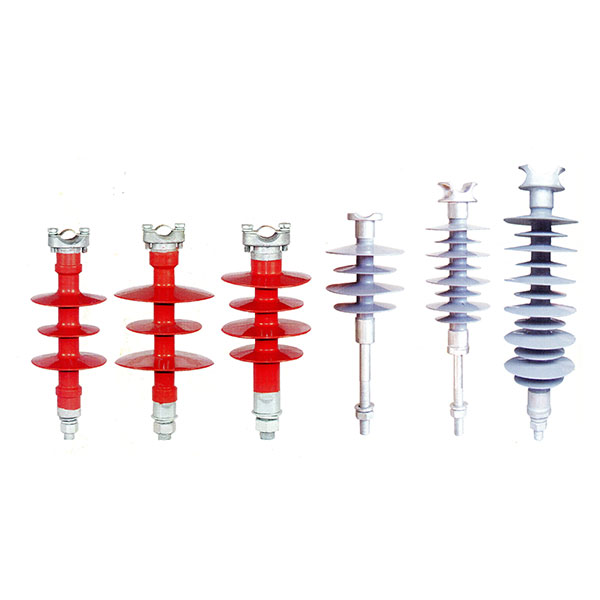
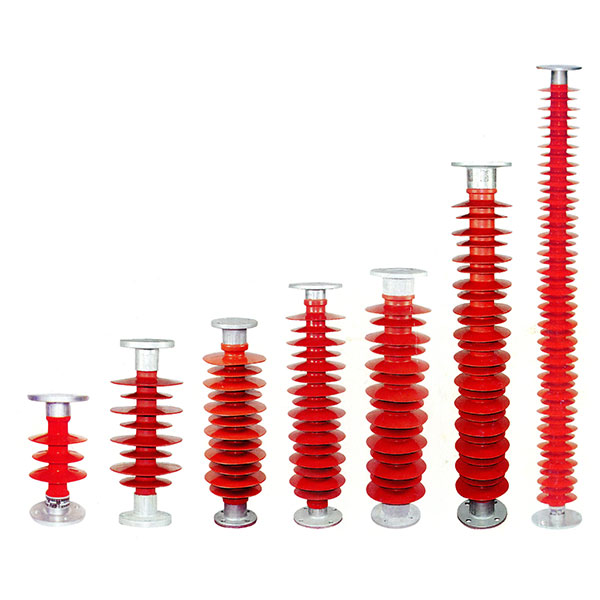
composite cross-arm insulator
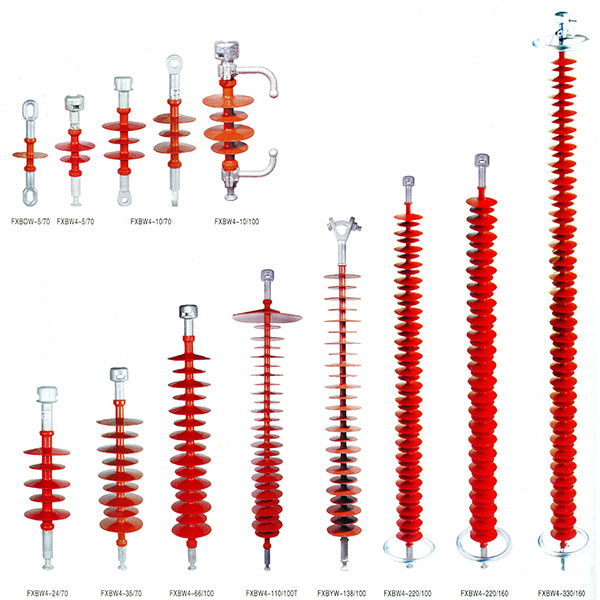
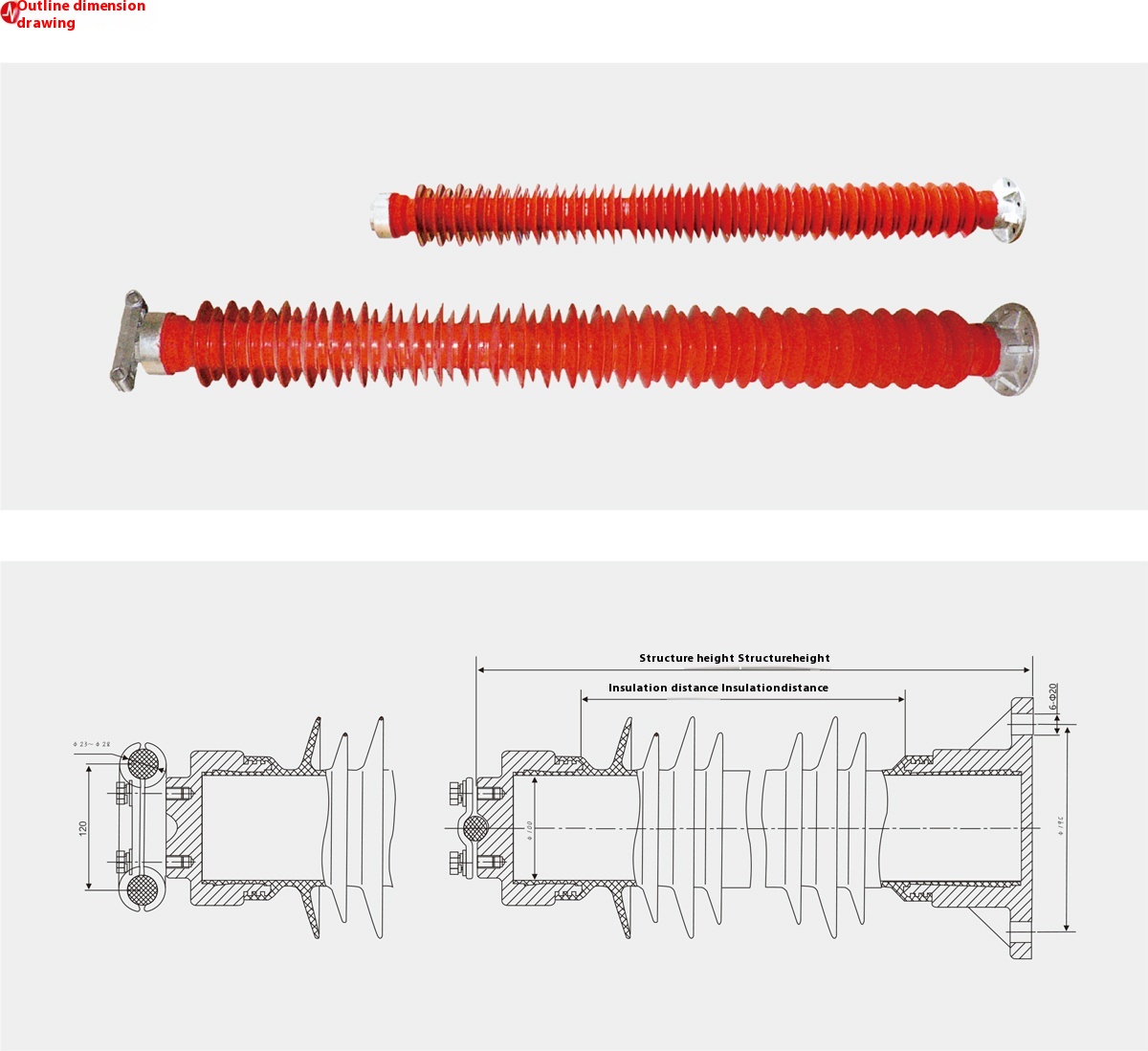
The Composite Cross Arm Insulator is a modern alternative to traditional porcelain insulators, designed to meet the demands of overhead transmission and distribution lines in the 10kV–35kV voltage range. With a lightweight yet high-strength construction, it provides excellent electrical insulation, mechanical stability, and long-term reliability under harsh environmental conditions.
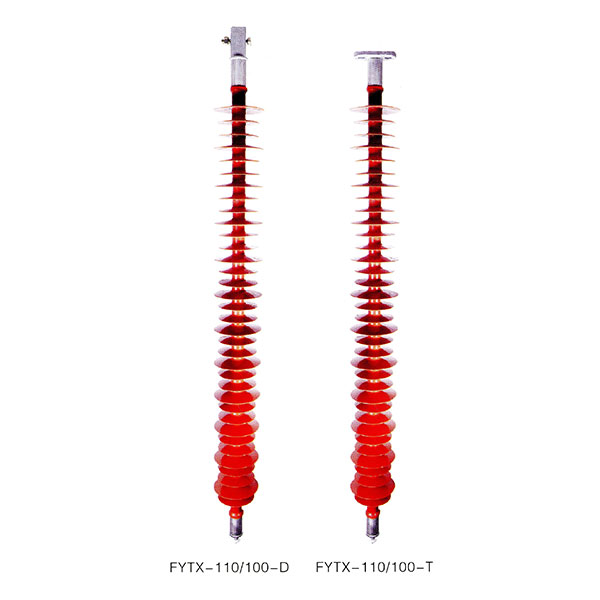
Made with a glass fiber-reinforced epoxy resin core and housed in UV-resistant silicone rubber sheds, this insulator offers superior hydrophobicity and pollution resistance. Its cross-arm mounting design ensures optimal mechanical performance and easy installation on steel or concrete poles.
Key Features:
1.Voltage Rating: 10kV–35kV
2.Structure: Composite body with silicone rubber housing and galvanized end fittings
3.Pollution Resistance: Excellent performance in high-humidity and coastal areas
4.Mechanical Strength: High tensile and bending load capacity
5.Weatherproof: Resistant to UV, ozone, acid rain, and extreme temperature changes
6.Maintenance-Free: No surface cleaning required during service life
7.Standard Compliance: Fully compliant with IEC 61109 and ANSI C29.13
Applications:
1.Overhead power lines in rural and urban grids
2.Cross-arm support for transformers and switchgear structures
3.Renewable energy installations in high-altitude or saline environments
4.Substation isolation points and compact pole-top designs
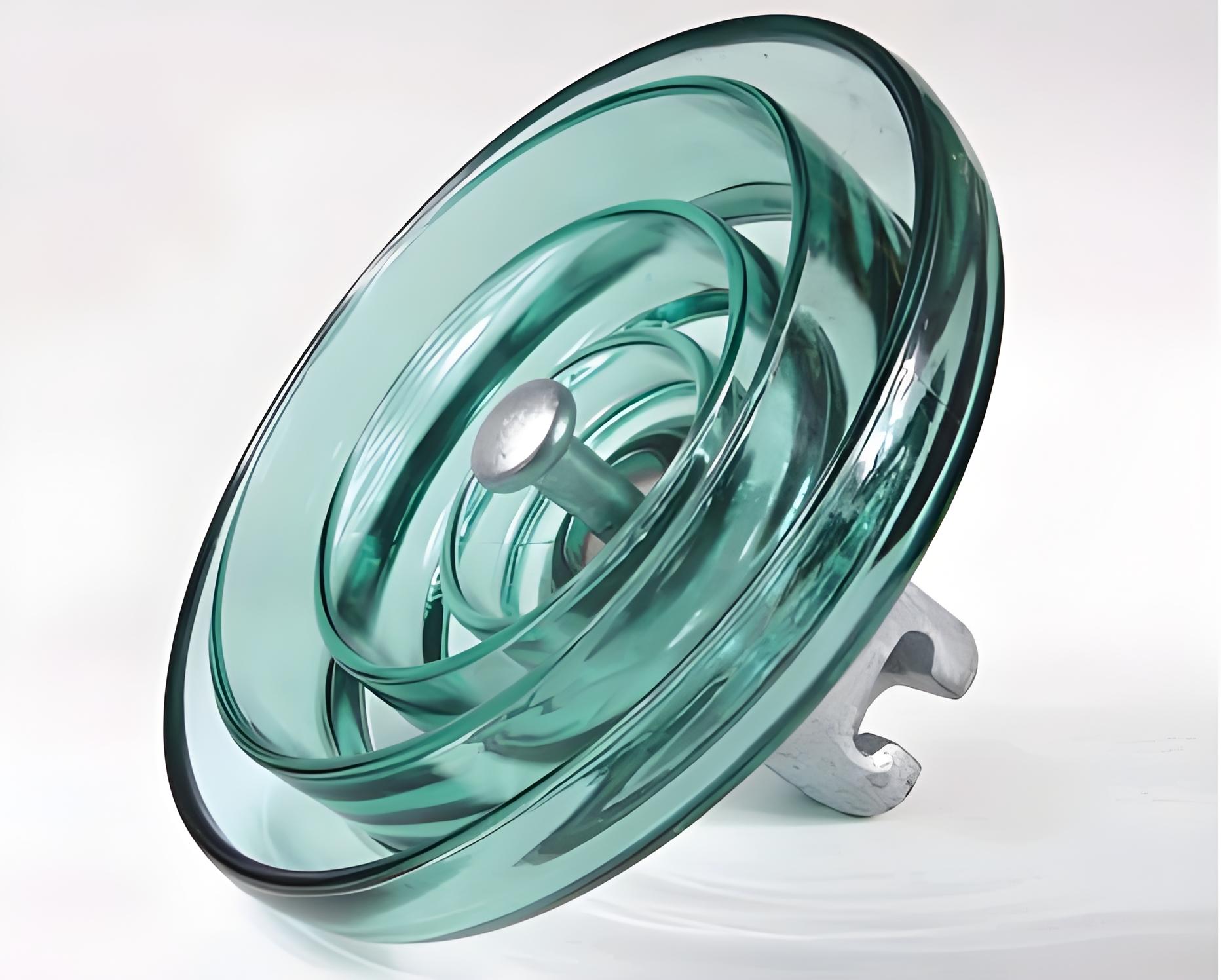
Compared to traditional ceramic options, the composite cross arm insulator offers improved performance in polluted zones, better mechanical behavior under vibration, and dramatically reduced risk of shattering or breakage during operation or installation.
👉 For more product specifications and custom solutions, visit the official product page.
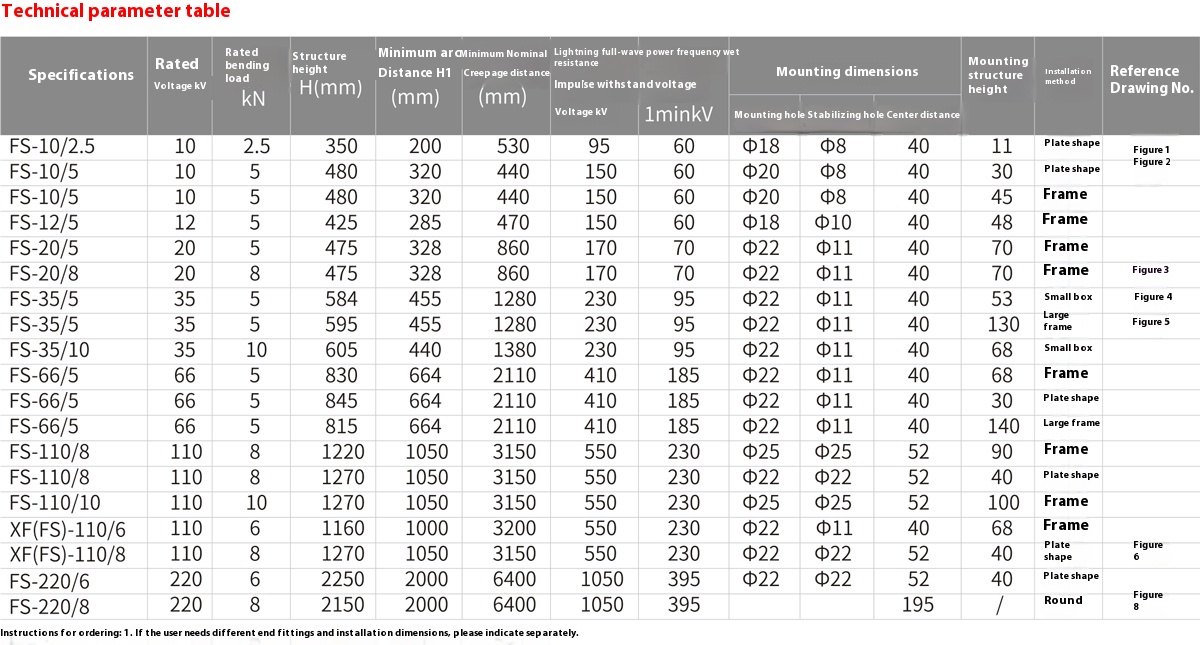
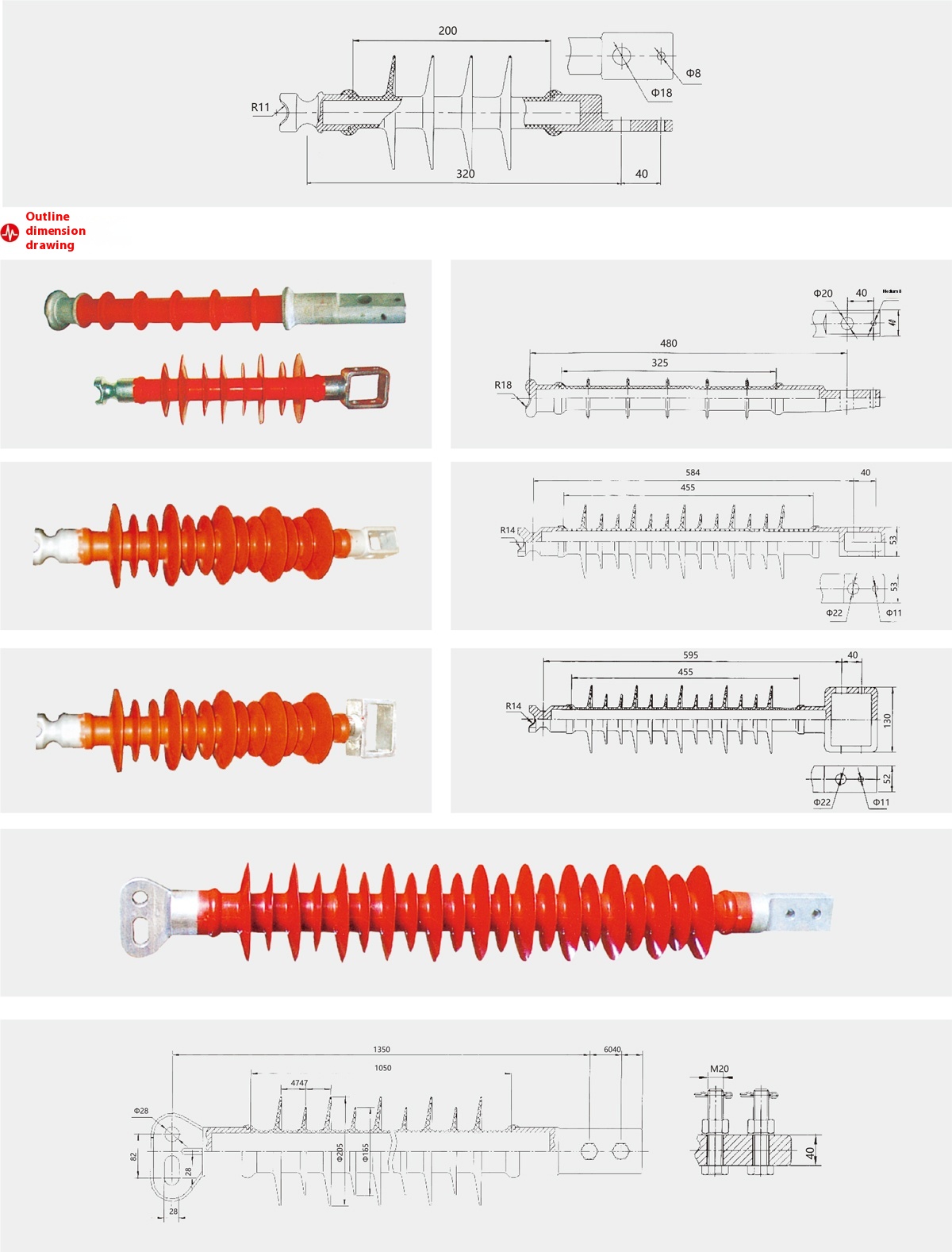
Comparison of Features:
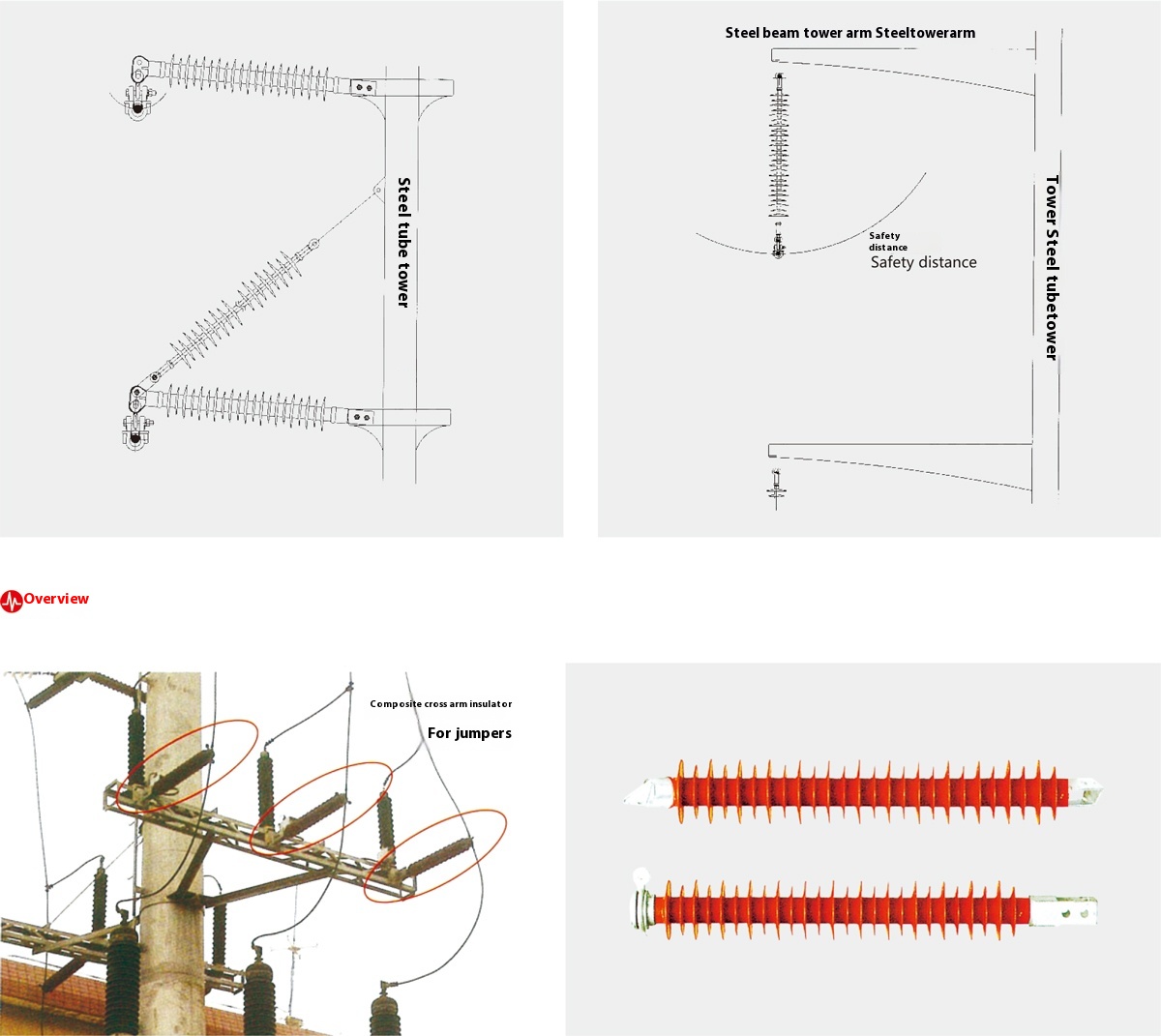
For steel tower structures along urban roads, the composite cross-arm insulator effectively reduces the distance between tower arms and the extension length, lowering tower height and increasing safety and storm resistance.
Installation Method A:
The composite cross-arm insulator is installed slightly tilted upwards, with the suspension line clamp directly hung. This reduces the swing range of the power line and minimizes the transmission space required.
Installation Method B:
The inclined pull-type composite suspension insulator enhances the bending resistance of the cross-arm.
When the composite suspension insulator is installed vertically, the power line is subject to wind-induced swinging, which requires a longer tower arm extension.
When the composite suspension insulator is installed vertically, the distance between the upper and lower tower arms must be greater than the sum of the insulator’s length and the required safety distance, leading to an increase in tower height and the structural load.
Contact Us
Related Products