
Previous
Next
LW30-220 Outdoor High-Voltage Sulfur Hexafluoride (SF₆) Circuit Breaker
1. Basic Product Positioning
The LW30-220 is a three-phase AC 50Hz outdoor sulfur hexafluoride (SF₆) circuit breaker specifically designed for 220kV-252kV high-voltage power transmission and transformation networks. It uses SF₆ gas as the core arc-extinguishing and insulating medium, primarily undertaking control and fault protection tasks for 220kV power grid trunk lines, main transformer incoming lines of large substations, and interconnection lines. It is suitable for ultra-high-voltage distribution scenarios with high requirements for breaking capacity, insulation reliability, and long-term operational stability, and serves as key equipment to ensure the safe and efficient operation of regional power grids.
2. Core Technical Principles and Performance Highlights
2.1 Efficient Arc Extinction and Stable Breaking
It adopts the self-energized arc-extinguishing principle (with auxiliary pressure-blast structure). During opening, the thermal energy of the arc heats the SF₆ gas to form a high-pressure gas flow, which, combined with the dual effect of mechanical auxiliary pressure-blast, blows the arc precisely to achieve rapid extinction. The arcing time is short (≤2 cycles) with no current chopping, effectively preventing equipment damage caused by operating overvoltage. For scenarios with large short-circuit currents at the 220kV level, the air channel design of the arc-extinguishing chamber is optimized, enabling a rated short-circuit breaking current of up to 50kA. It can reliably break grid fault currents and continuously break the rated short-circuit current 12 times without maintenance, meeting the demand for frequent fault clearing in high-voltage power grids.
2.2 Excellent Electrical and Mechanical Reliability
Strong Electrical Performance: The rated lightning impulse withstand voltage (to ground) reaches 550kV, and the rated 1-minute power frequency withstand voltage (to ground) reaches 252kV, with insulation strength suitable for 220kV high-voltage environments; the rated short-circuit making current (peak value) reaches 125kA, and the rated short-time withstand current (4s) reaches 50kA, which can withstand strong electrodynamic shocks during grid short-circuit faults and protect the equipment from damage.
Long Mechanical Life: Equipped with the mature CT30-type spring operating mechanism, it adopts high-precision transmission connecting rods and buffer components, ensuring high mechanical operation stability. The mechanical life reaches over 10,000 operations, far exceeding the basic standards of circuit breakers of the same class, reducing the frequency of equipment replacement and lowering the total life-cycle maintenance cost.
Low Energy Consumption and Low Noise: The self-energized arc-extinguishing design significantly reduces operating energy consumption, with operating energy consumption reduced by more than 40% compared with traditional pressure-blast circuit breakers; the operating noise of the operating mechanism is ≤75dB, meeting the environmental noise reduction requirements for outdoor high-voltage equipment.
2.3 Strong Environmental Adaptability
The standard model can withstand an ambient temperature range of -30℃~+40℃ (low-temperature customized models can be adapted to -40℃), with wind load resistance of ≤35m/s and ice coating thickness resistance of ≤15mm, enabling stable operation in complex outdoor environments such as heavy rain, heavy snow, and strong winds; the porcelain insulator is treated with an anti-pollution flashover coating, with a creepage distance of ≥31mm/kV, suitable for pollution level Ⅳ specified in GB/T 5582, and can operate for a long time in industrial areas and coastal high-salt-fog areas; the standard model is suitable for altitudes below 2,000m, and the plateau customized model can be adapted to plateau environments with an altitude of 4,000m by optimizing the insulation structure and SF₆ gas pressure compensation.
3. Key Technical Parameters
4. Structural Design and Maintenance Advantages
4.1 Stable and Reliable Structural Layout
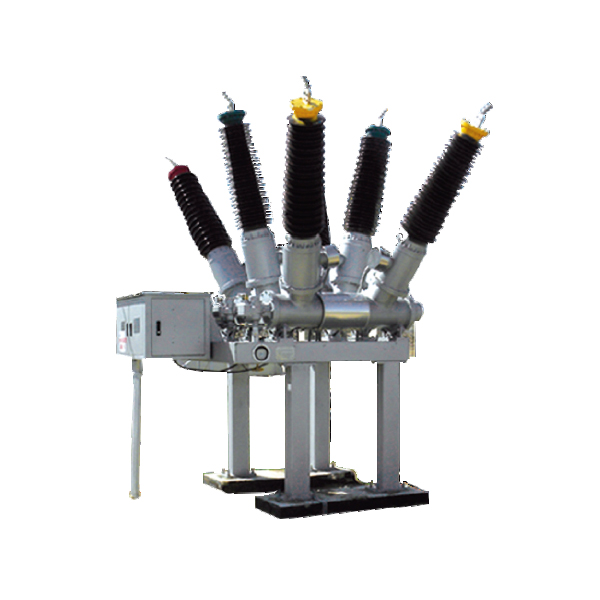
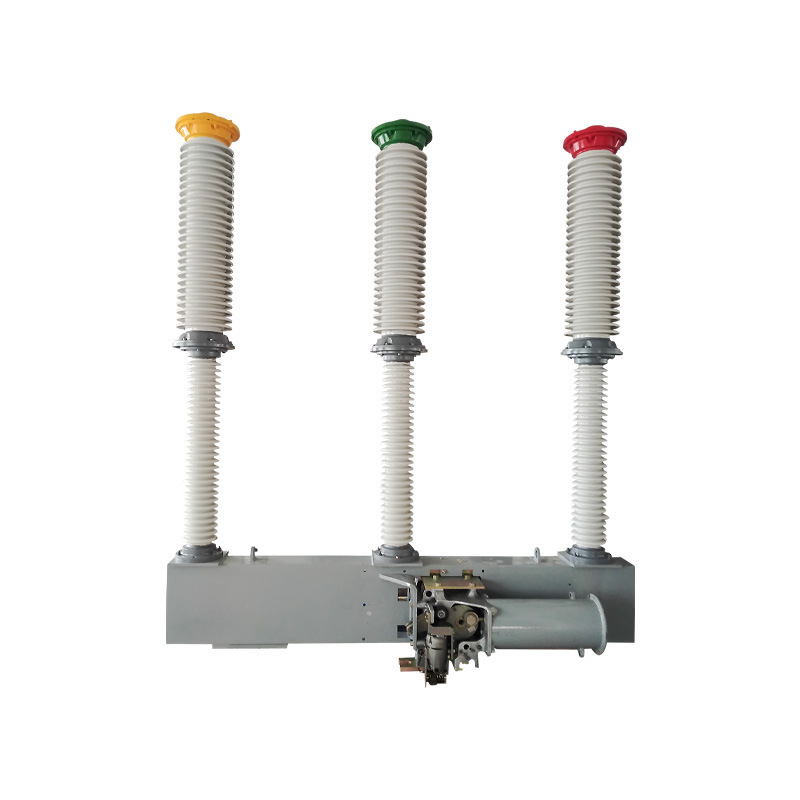
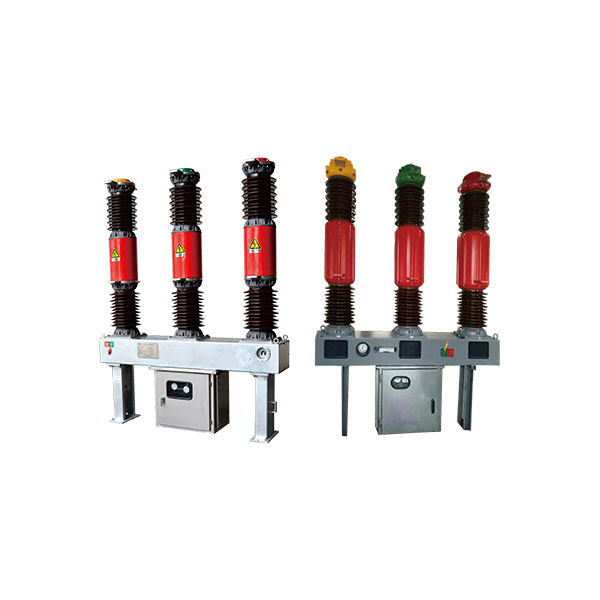
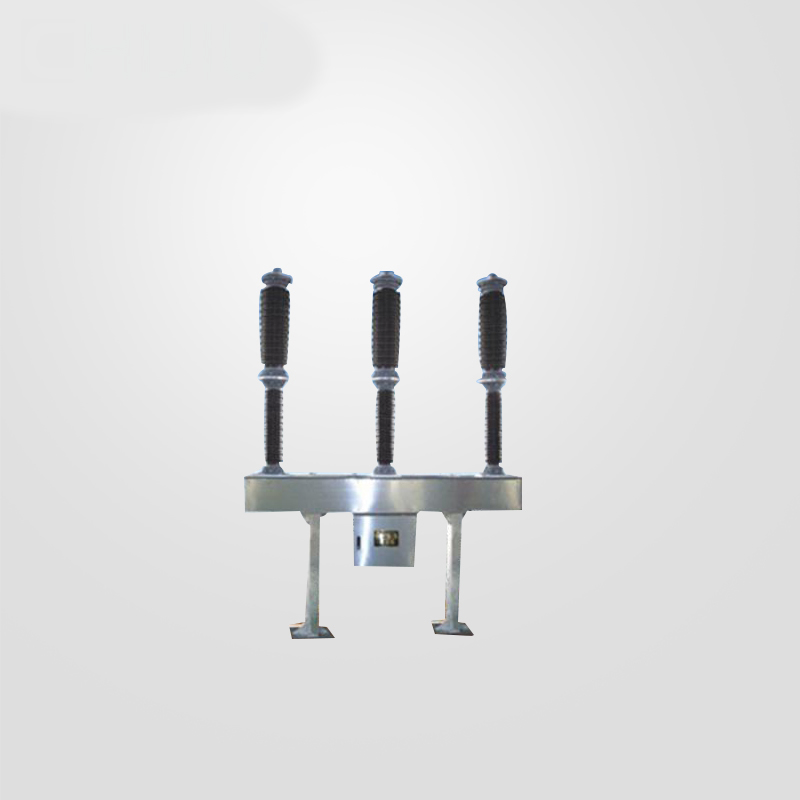
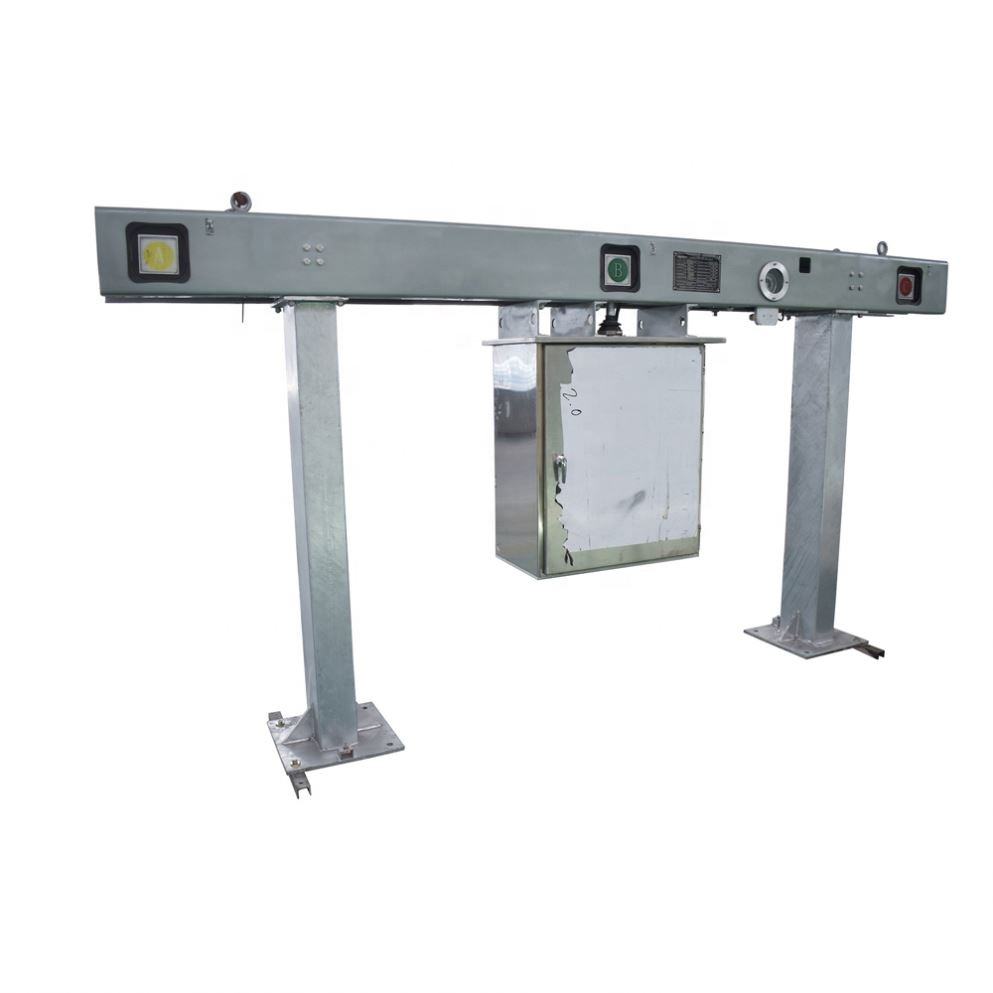
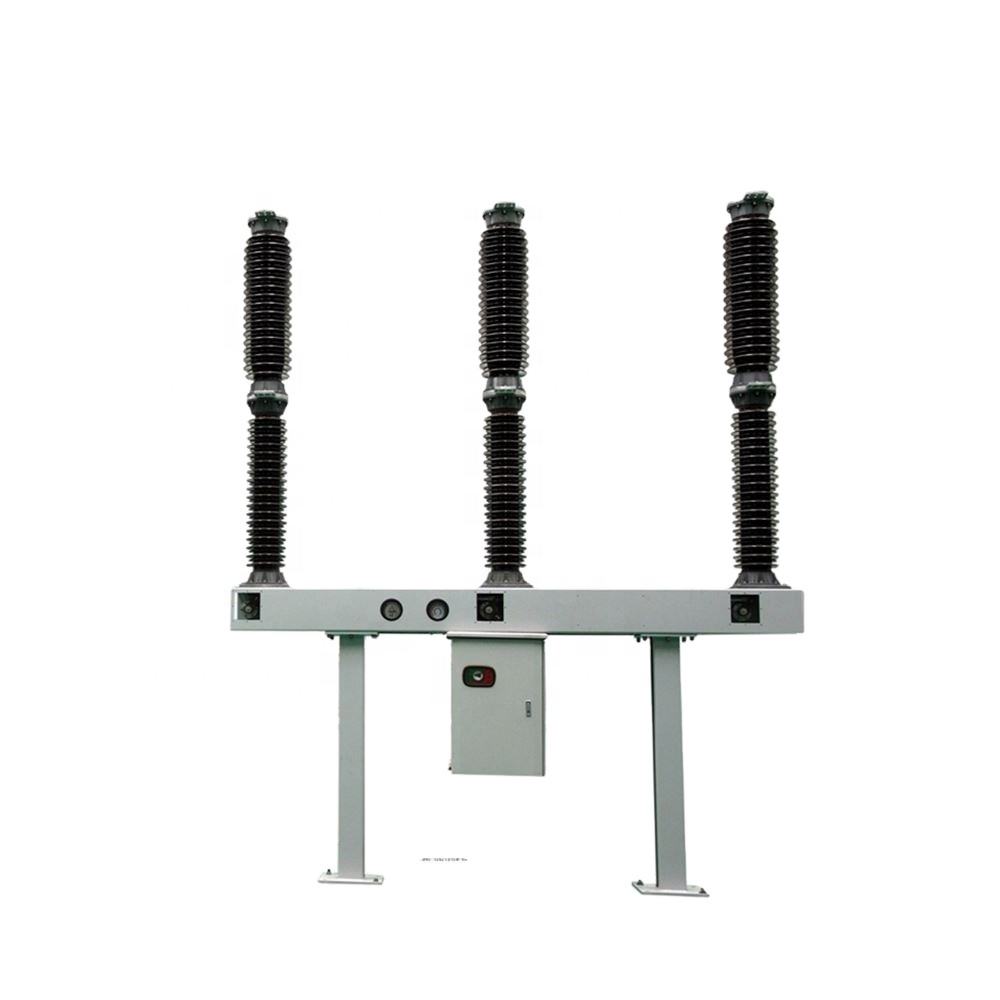
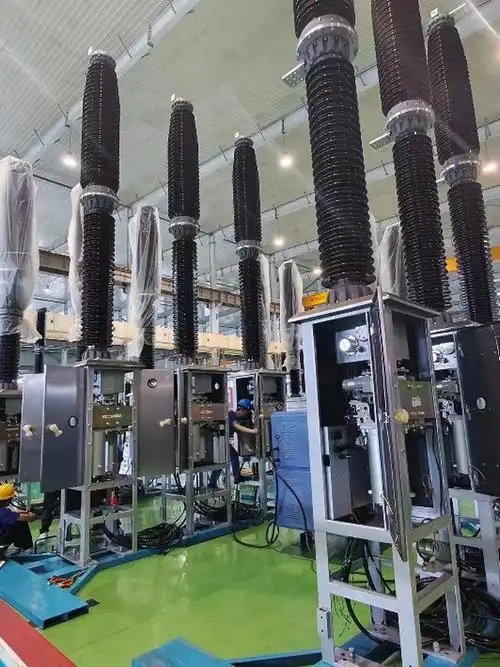
It adopts a three-phase separate porcelain post-type structure. The three poles are fixed through a common underframe, which is welded from high-strength section steel, featuring high mechanical strength and strong vibration resistance, and can withstand a seismic intensity of 8 degrees; each phase is equipped with an independent arc-extinguishing chamber and post porcelain insulator. The arc-extinguishing chamber integrates static contacts, moving contacts, nozzles, and adsorption devices, with excellent sealing performance, reducing the risk of gas leakage; the three phases are connected through steel pipes to realize SF₆ gas communication, ensuring balanced gas pressure among the three phases and avoiding the impact of pressure differences on arc-extinguishing and insulation performance.
4.2 Intelligent and Convenient Maintenance Design
Accurate Gas Monitoring: Equipped with an intelligent electronic density relay, it can collect SF₆ gas pressure and temperature data in real time, and upload the data to the monitoring system through a 485 communication interface. When the pressure is abnormal, it automatically issues an audible and visual alarm and locks the operation, eliminating the need for frequent manual inspections; at the same time, a local pointer-type density gauge is reserved for on-site maintenance personnel to view intuitively.
Component Integration: It supports built-in current transformers (CT) with an accuracy class of up to 0.2S, meeting the metering and protection needs of high-voltage power grids. The integrated design reduces the number of external equipment and fault points; the operating mechanism box adopts an IP54 protection level, with built-in heating and dehumidification devices to avoid the impact of low-temperature condensation on the mechanism operation.
Convenient Maintenance: The arc-extinguishing chamber and operating mechanism adopt a modular design, which can be disassembled and maintained separately, reducing the overall downtime; maintenance windows are reserved at key parts, facilitating maintenance personnel to check contact wear, seal aging, and other conditions, improving maintenance efficiency.
5. Application Scenarios
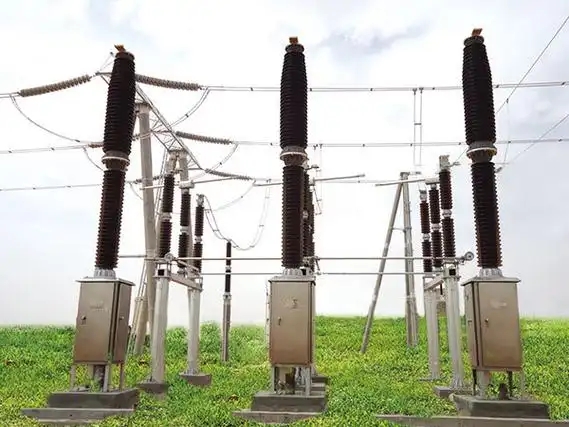
220kV Regional Trunk Power Grids: As the main protection circuit breaker for trunk lines, it undertakes the tasks of grid load regulation and fault clearing, ensuring stable power transmission between regions, and is suitable for core nodes of provincial and municipal power grids.
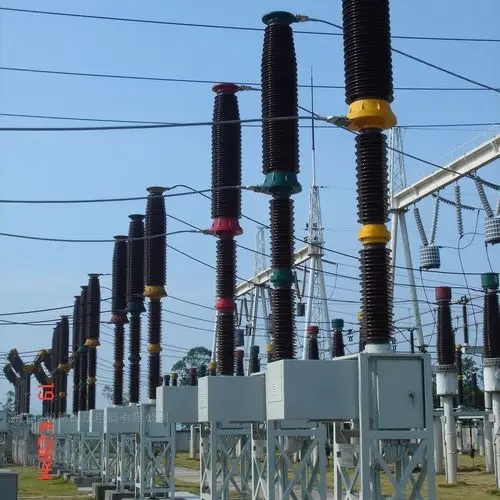
Large Hub Substations: Used for protection of incoming lines, outgoing lines, and bus sectioning on the high-voltage side of main transformers in 220kV substations, coping with high-current and high-voltage operating conditions of substations and ensuring safe and reliable power supply of substations.
New Energy Base Grid Connection: Suitable for 220kV step-up stations of large wind power and photovoltaic bases, it can reliably break the fluctuating currents and fault currents of new energy power generation, ensuring stable integration of new energy power into the trunk power grid.
Industrial Ultra-High-Voltage Distribution: Meeting the high-voltage distribution needs of 220kV self-owned power stations in large industrial enterprises such as metallurgy and chemical industry, withstanding complex load shocks of industrial power grids and ensuring stable power supply for enterprise production.
6. Compliance Standards
The product fully complies with the national standards GB1984 AC High-Voltage Circuit Breakers, GB/T 11022 Common Technical Requirements for High-Voltage Switchgear and Controlgear Standards, and the International Electrotechnical Commission (IEC) standard IEC62271-100 High-Voltage AC Circuit Breakers. It has passed the type test of the National High-Voltage Electrical Equipment Quality Supervision and Inspection Center, with various performance indicators reaching the industry-leading level, and is suitable for general specifications of 220kV high-voltage power grids at home and abroad.
7. Frequently Asked Questions (FAQ)
Q1: Can the LW30-220 circuit breaker realize remote intelligent control and condition monitoring?
A1: Yes. This circuit breaker supports remote intelligent control. The operating mechanism reserves an RS485/Modbus communication interface, which can be connected to the substation automation system to realize remote opening and closing operations; at the same time, the intelligent density relay and operating mechanism condition sensor can upload SF₆ gas parameters, mechanism operation times, contact wear status, and other data in real time, meeting the condition monitoring and early warning needs of unattended substations.
Q2: How to handle SF₆ gas leakage? What are the safety precautions?
A2: If SF₆ gas leakage is detected, the circuit breaker must be taken out of service immediately and isolated from the power supply. Prolonged stay in the leakage area is strictly prohibited (SF₆ gas has a higher density than air and is prone to accumulation, leading to oxygen deficiency); during handling, wear a gas mask and insulating gloves, use a dedicated SF₆ leak detector to locate the leakage point (focus on checking flange sealing surfaces and valve interfaces), refill with qualified SF₆ gas after repair, and test the purity (≥99.9%) and moisture content. The circuit breaker can be put into operation only after the indicators meet the standards; waste SF₆ gas must be recycled and treated by professional institutions, and direct emission is strictly prohibited.
Q3: After reaching the mechanical life of 10,000 operations, what core maintenance work is required for the equipment?
A3: After reaching the mechanical life of 10,000 operations, a comprehensive overhaul is required. The core work includes: ① Replacing the seals of the arc-extinguishing chamber, contacts (if wear exceeds 3mm), and the buffer of the operating mechanism; ② Disassembling and cleaning the operating mechanism, and replacing aged springs, bearings, and coils; ③ Calibrating the opening and closing stroke, overtravel, and synchronization to ensure that the mechanical operation parameters meet the standards; ④ Testing the purity and moisture content of SF₆ gas, and replacing the adsorbent; ⑤ Conducting mechanical operation tests and electrical performance tests to confirm that the equipment has restored normal performance.
Q4: Can this circuit breaker be compatible with 220kV GIS equipment?
A4: Yes, it is compatible. The interface size, flange standard, and control signal protocol of the LW30-220 circuit breaker all comply with general industry specifications, and can be seamlessly connected to the circuit breaker compartment of 220kV GIS (Gas Insulated Switchgear) from mainstream brands; combined with the enclosed insulation structure of GIS equipment, it can further enhance the anti-pollution capability and floor space advantage of the overall equipment, suitable for scenarios with limited space such as urban central substations.
Q5: What special configurations are required for use in low-temperature environments (e.g., -40℃)?
A5: For use in -40℃ low-temperature environments, a low-temperature customized model must be selected. The special configurations include: ① Using low-temperature-resistant rubber seals (temperature range: -40℃~+80℃) to avoid gas leakage caused by low-temperature hardening; ② Using low-temperature grease (freezing point ≤-45℃) for the operating mechanism to ensure flexible operation of the mechanism at low temperatures; ③ Installing an electric heating device in the mechanism box to maintain the internal temperature ≥-10℃ and prevent condensation and icing of internal components; ④ Optimizing the SF₆ gas pressure compensation mechanism to offset the pressure drop caused by low temperatures and ensure stable arc-extinguishing and insulation performance.
Contact Us
Related Products